


This time we went to Naples, Italy, to explore the city a bit and surroundings. This wasn’t a planned trip, as we just booked the airplane tickets a few days before departure. It was spontaneous and we loved it!
We spent 3 days in Naples, and did the following:
- On the first day, we went to check in and do a hop-in hop-off bus tour.
- The second day was visiting the Vesuvius volcano and Pompei, by train.
- On our third day we stepped below the city streets and explored the underground Bourbon Tunnel. Later that day we went for a walk on the shoreline.
Truth be told, we only spent 2 days in Naples, as one was a 45 minute train ride to Pompei.
When did we visit Naples? In December! How did we like it? We found it extremely crowded and with a specific charm of its own. And you’ll see an overwhelming amount of trash on the streets. Get over it!
Booking your stay: would we recommend ours?
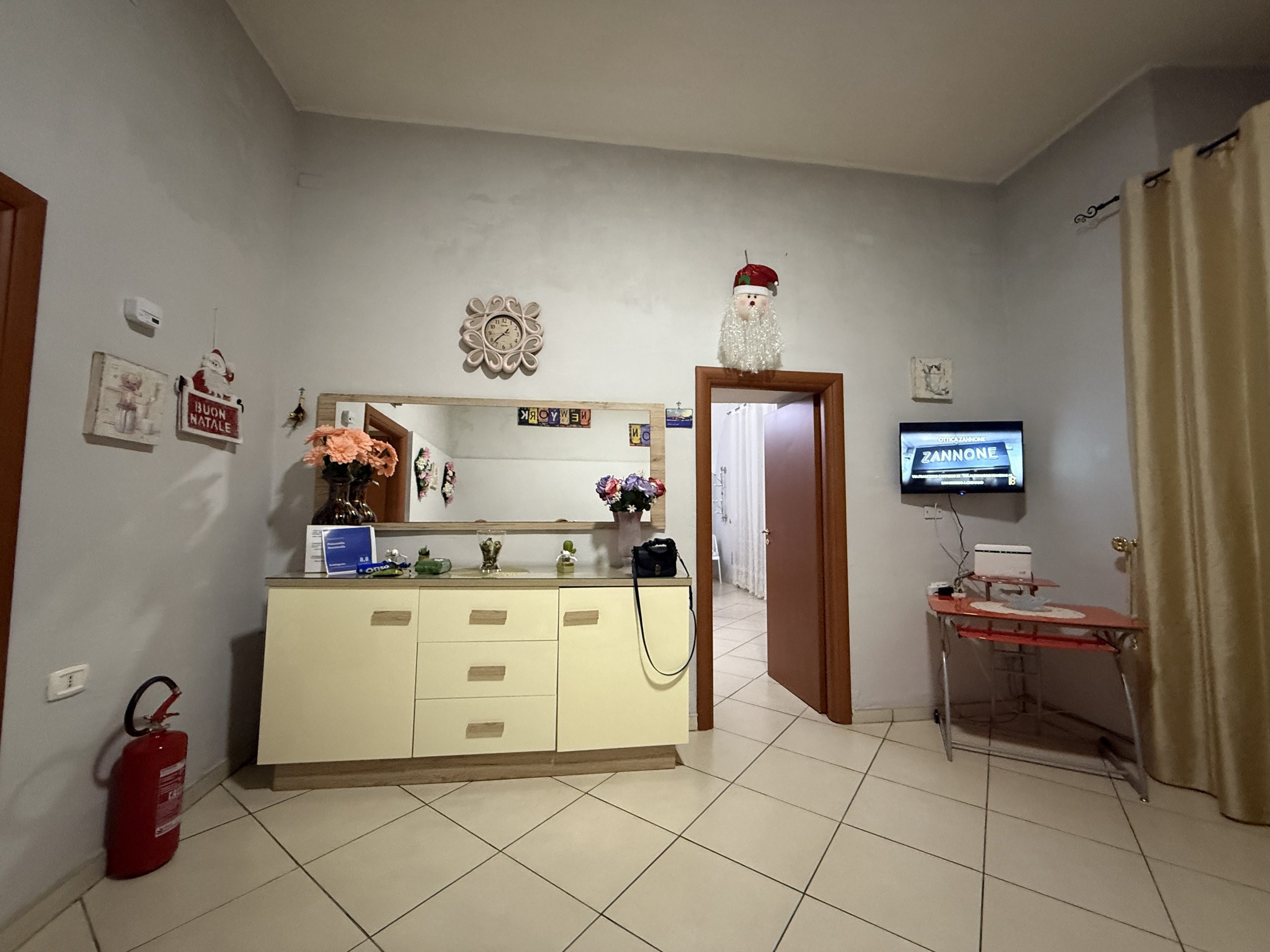
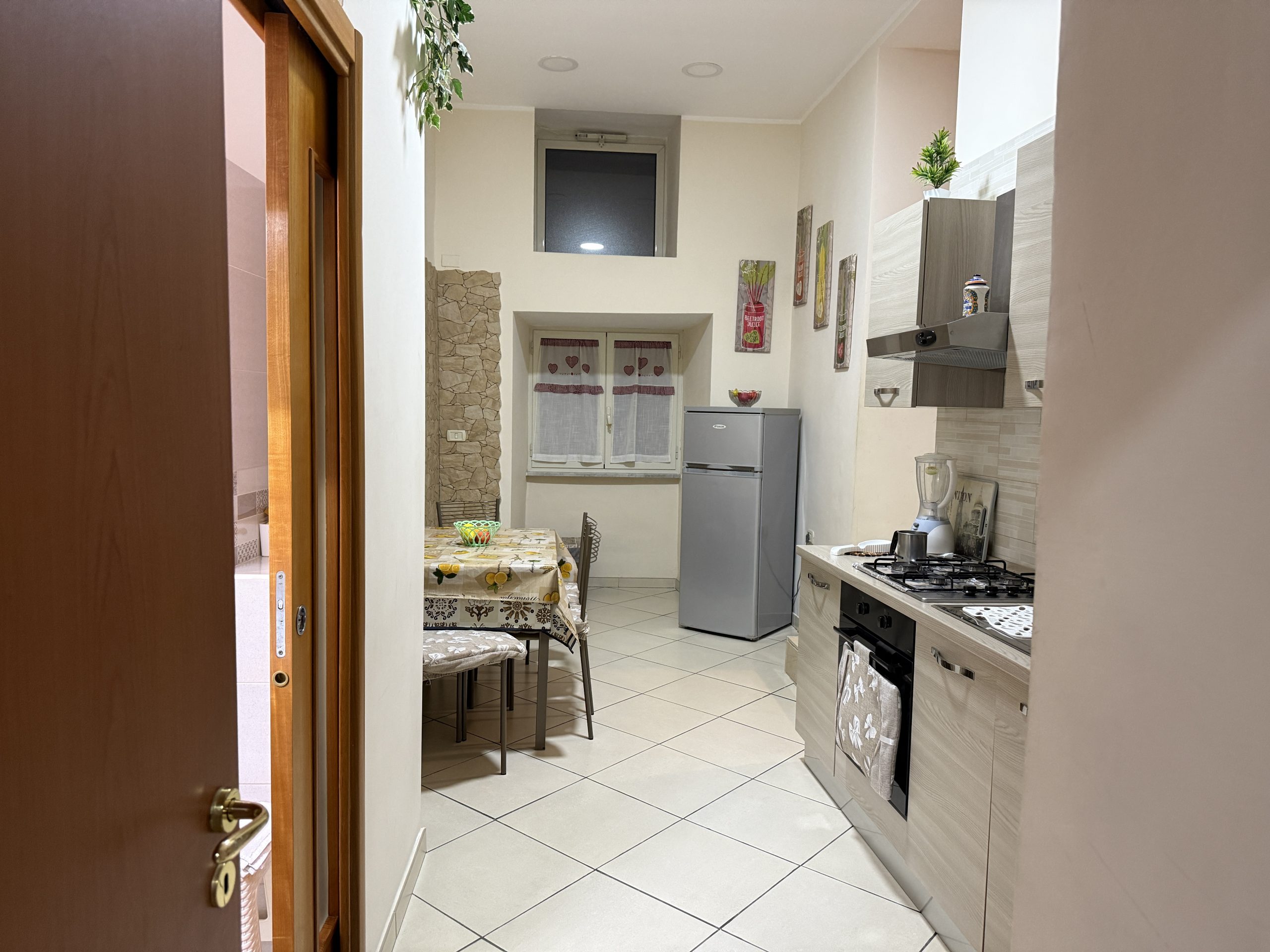
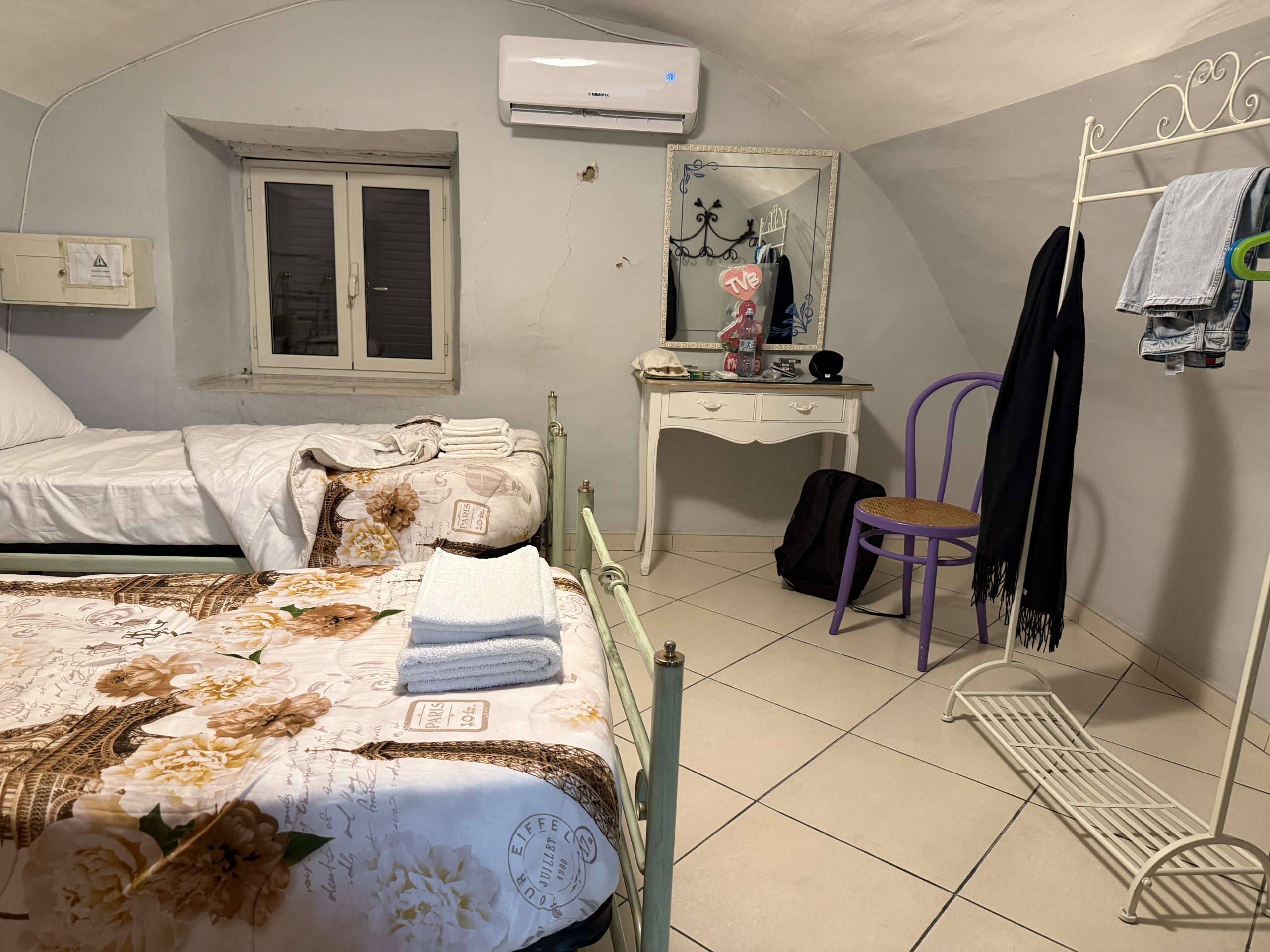
We stayed in the historical part of the city, right in the middle of the hustle and bustle. I would have loved to recommend you the apartment we stayed in, but the reality check was quite different from the displayed pictures on Booking.com so I will surely pass on that.
The owner was very nice, although the rooms were not. You could obviously see that he had made some renovations to the kitchen area, the bathroom and was still working on the living room – or so I hope. The two bedrooms were a disaster: clear signs of high humidity, like dampness and there was plaster falling off the walls in our bedroom. On the booking website, this apartment looked nice and had a rating of 8.8. Not anymore.
Just to make things clear, this is Palazziello Nanninella, and I wouldn’t recommend it, unless the owner renovates it!
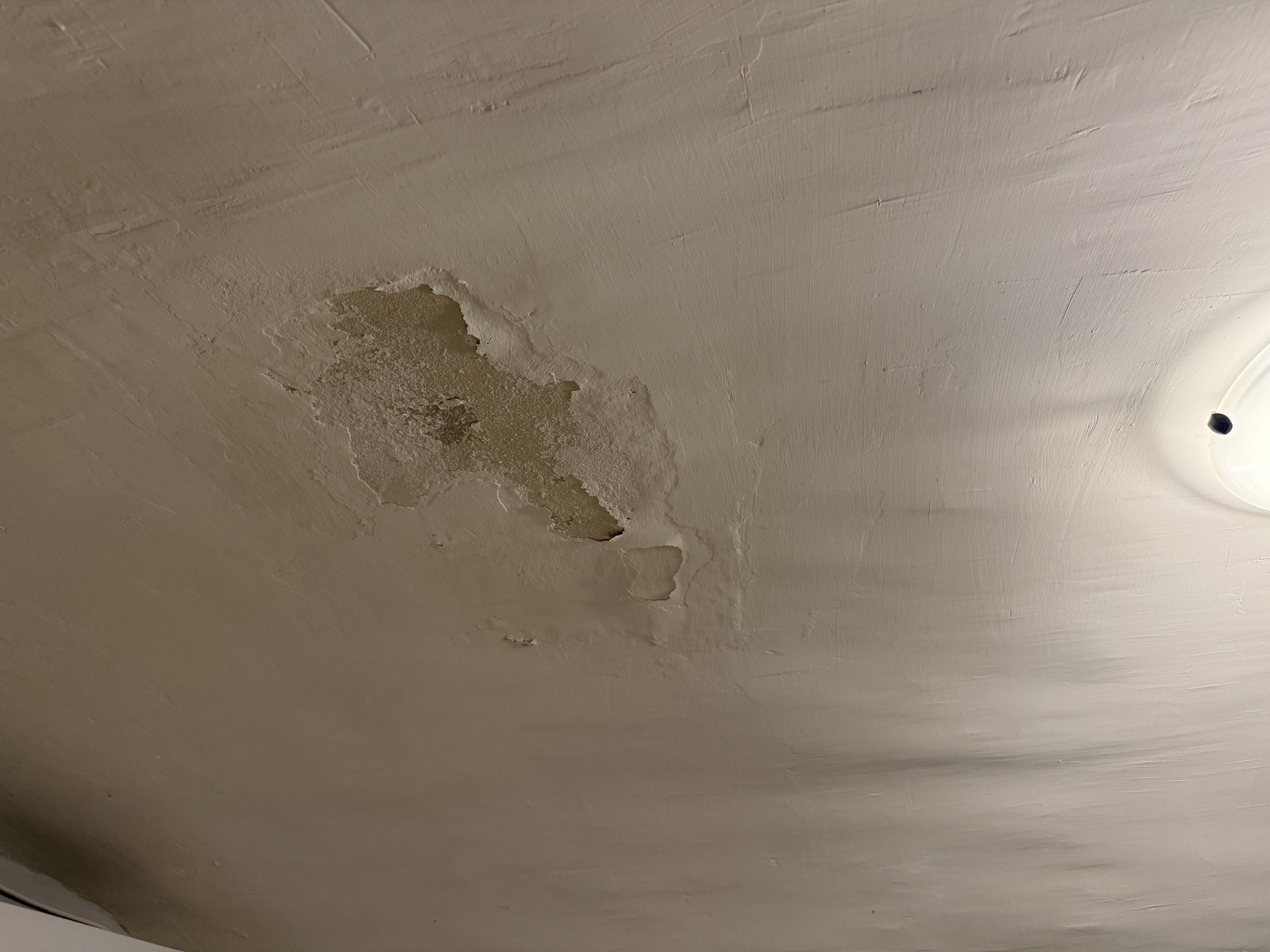
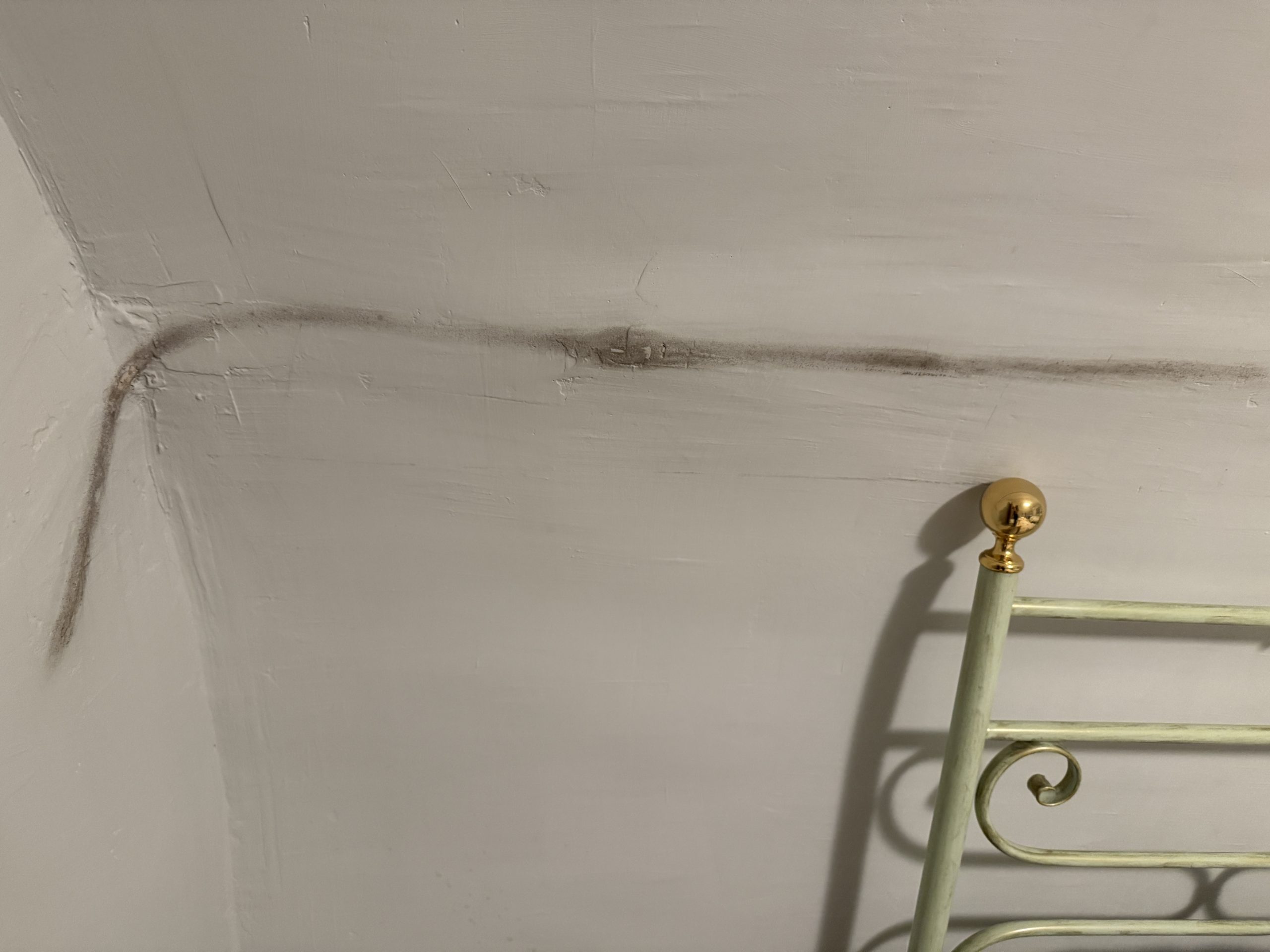
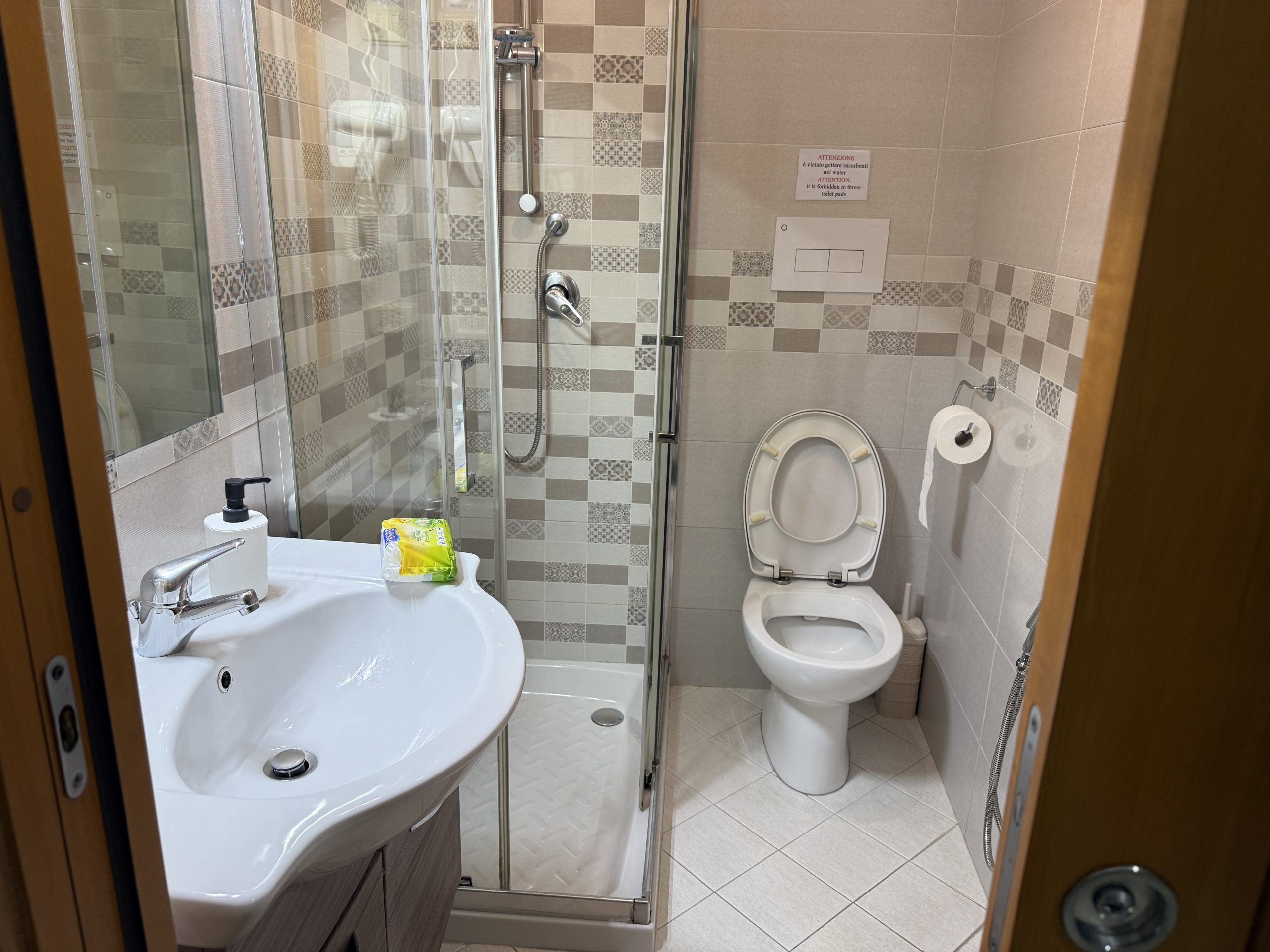
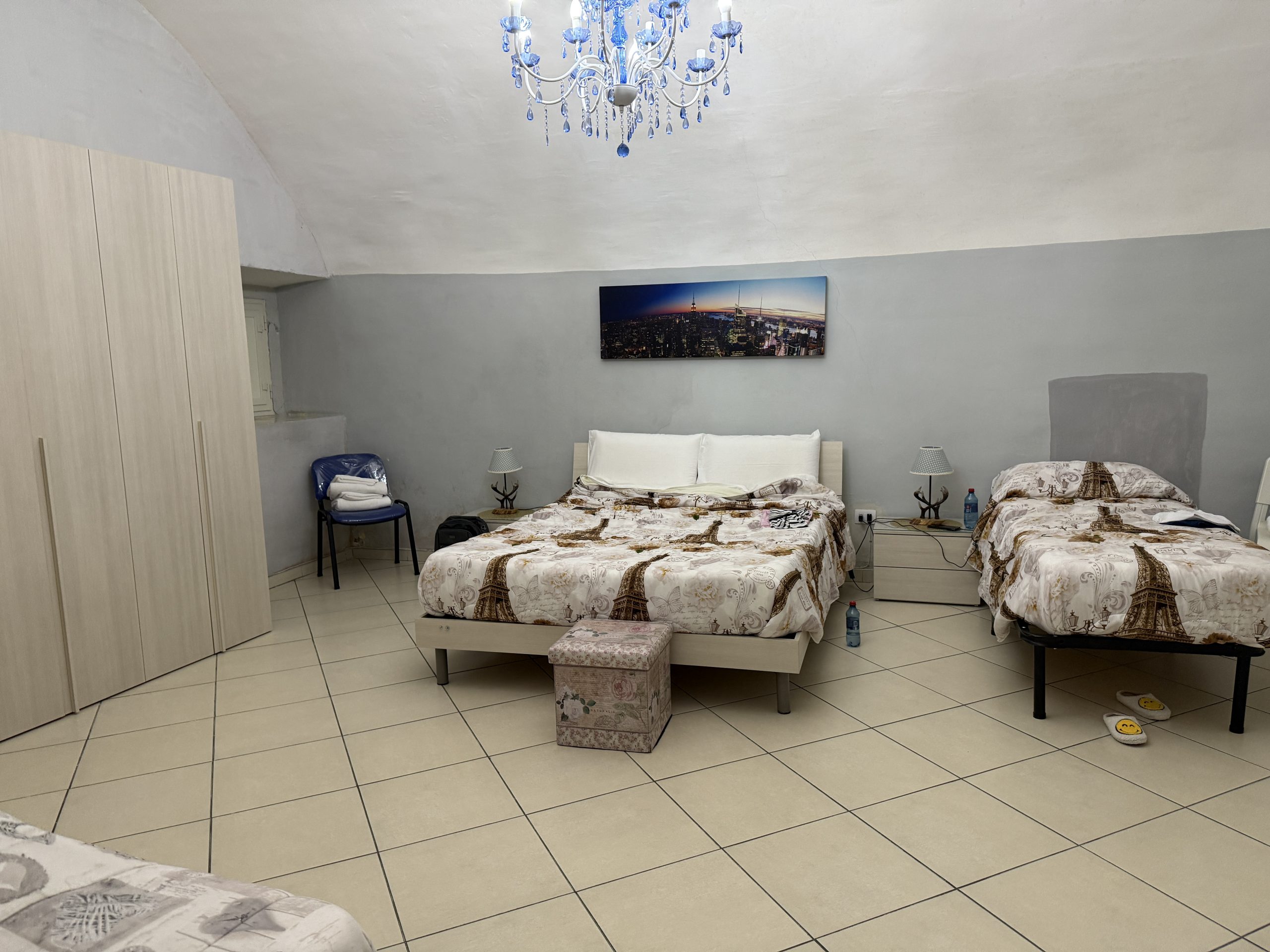
The owner told us it would take a while to have the apartment ready, since we were there too early, but we could leave our luggage. Meanwhile, he recommended we tried Pizza di Matteo, as president Clinton ate there, too – we had no idea! He explained how to get there, since it was an easy 4 minute walk from our stay. We stayed on Vicolo Scassacocchi street, which was perpendicular to Via dei Tribunali, where this apparently famous venue was.

Eating at O’SCEMO Trattoria: hit or miss?
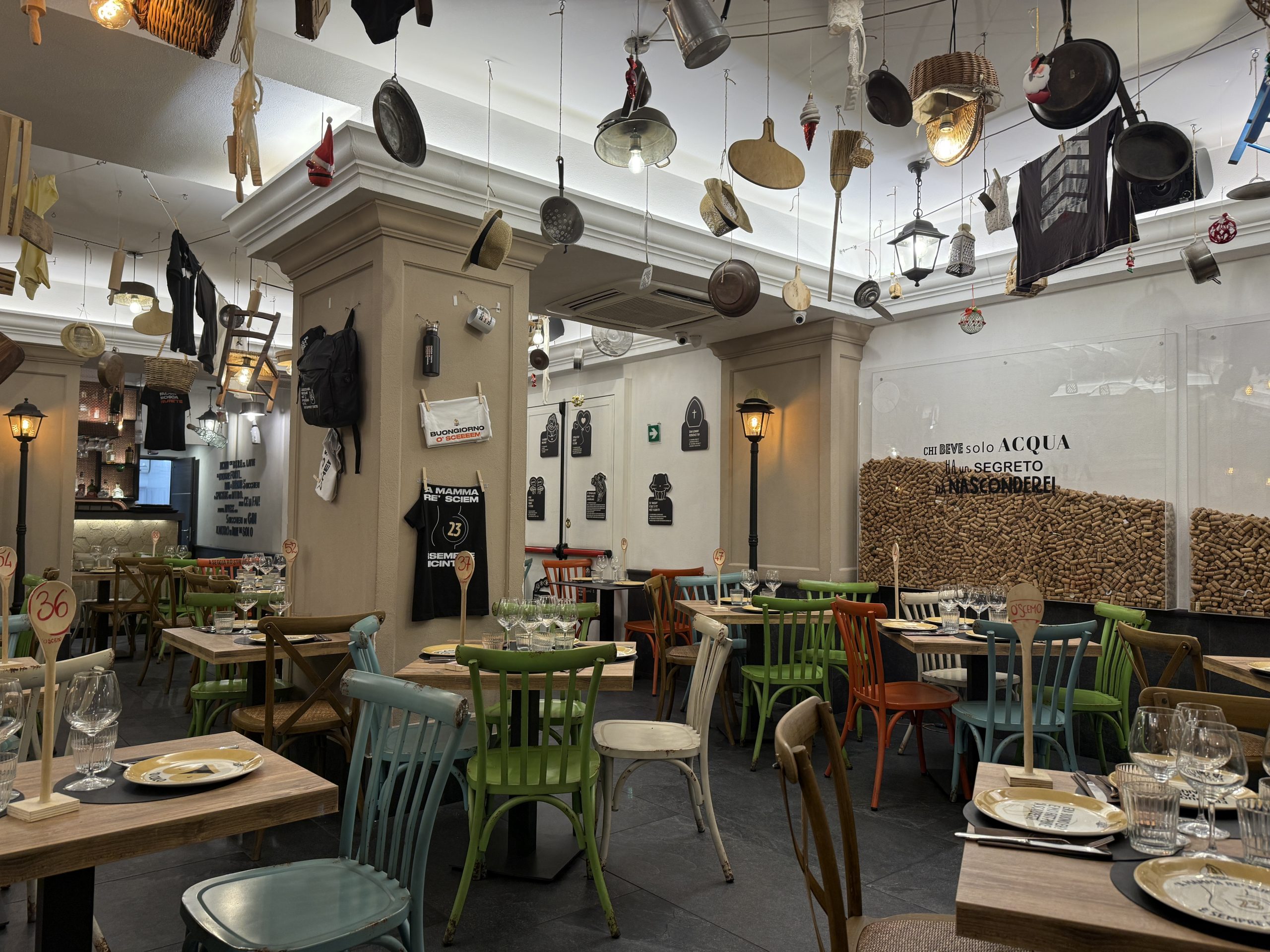
We just went past Di Matteoit, since the waiting line was a few meters long, and ended up at O’Scemo trattoria, close by.
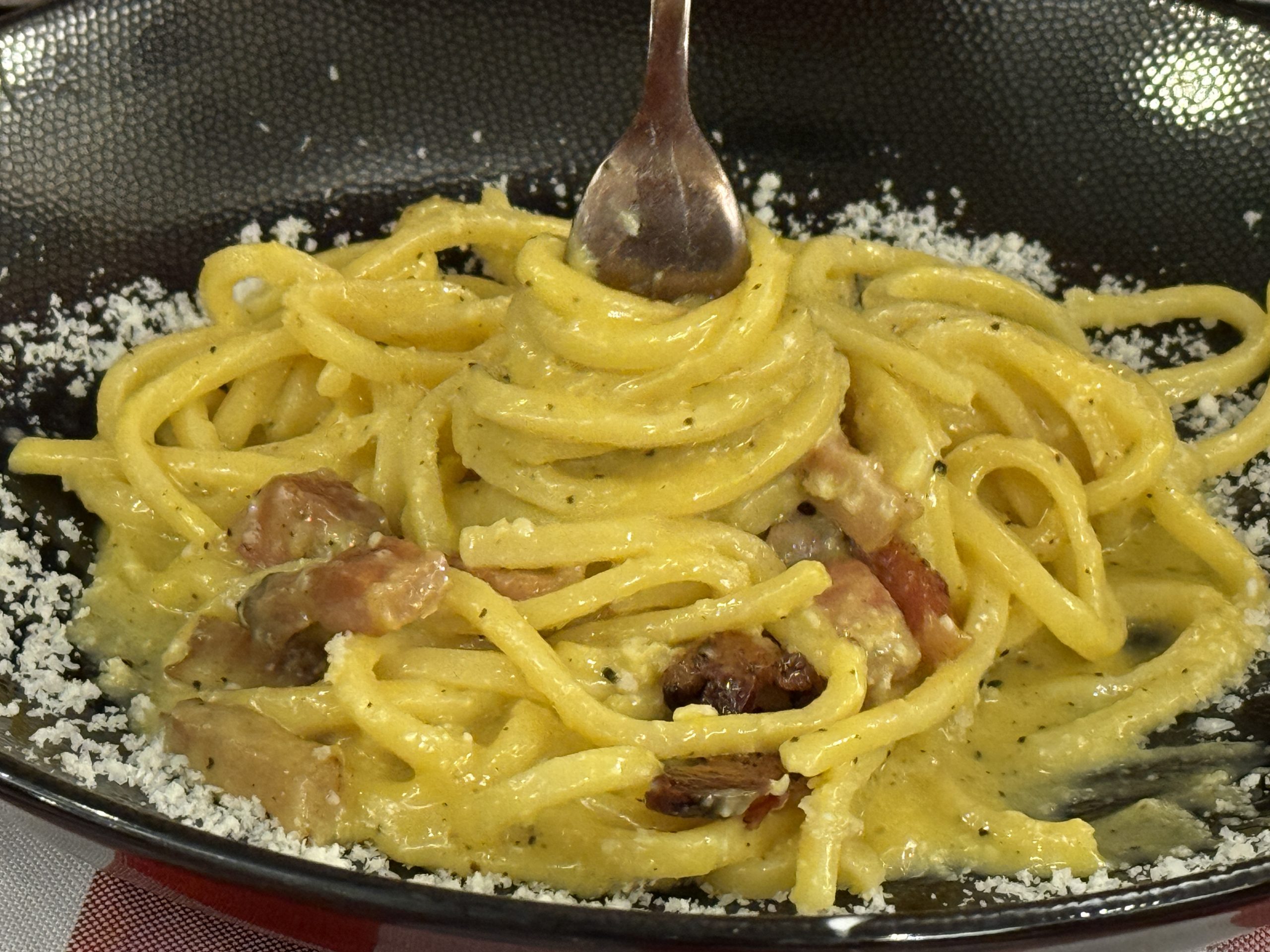
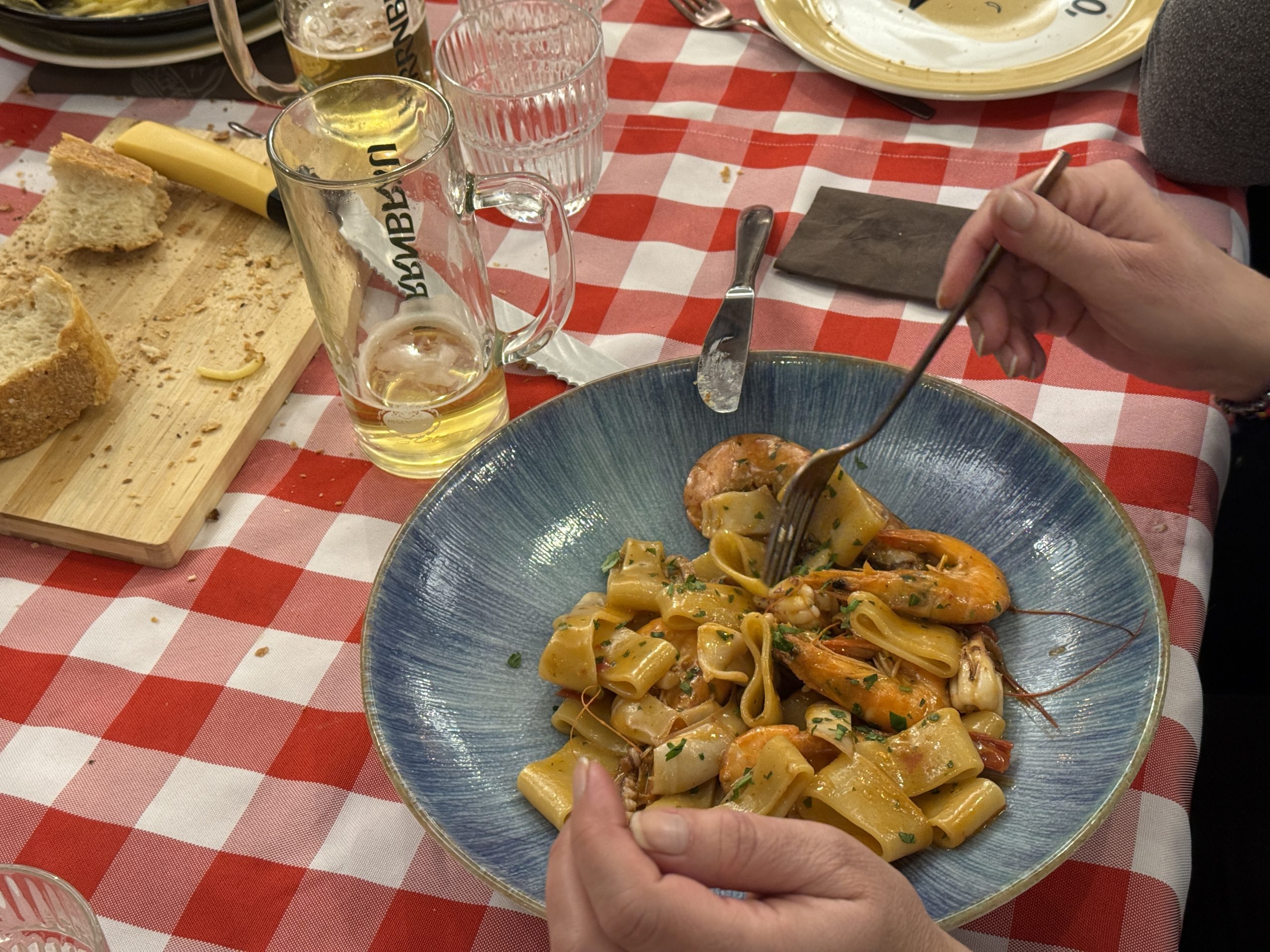
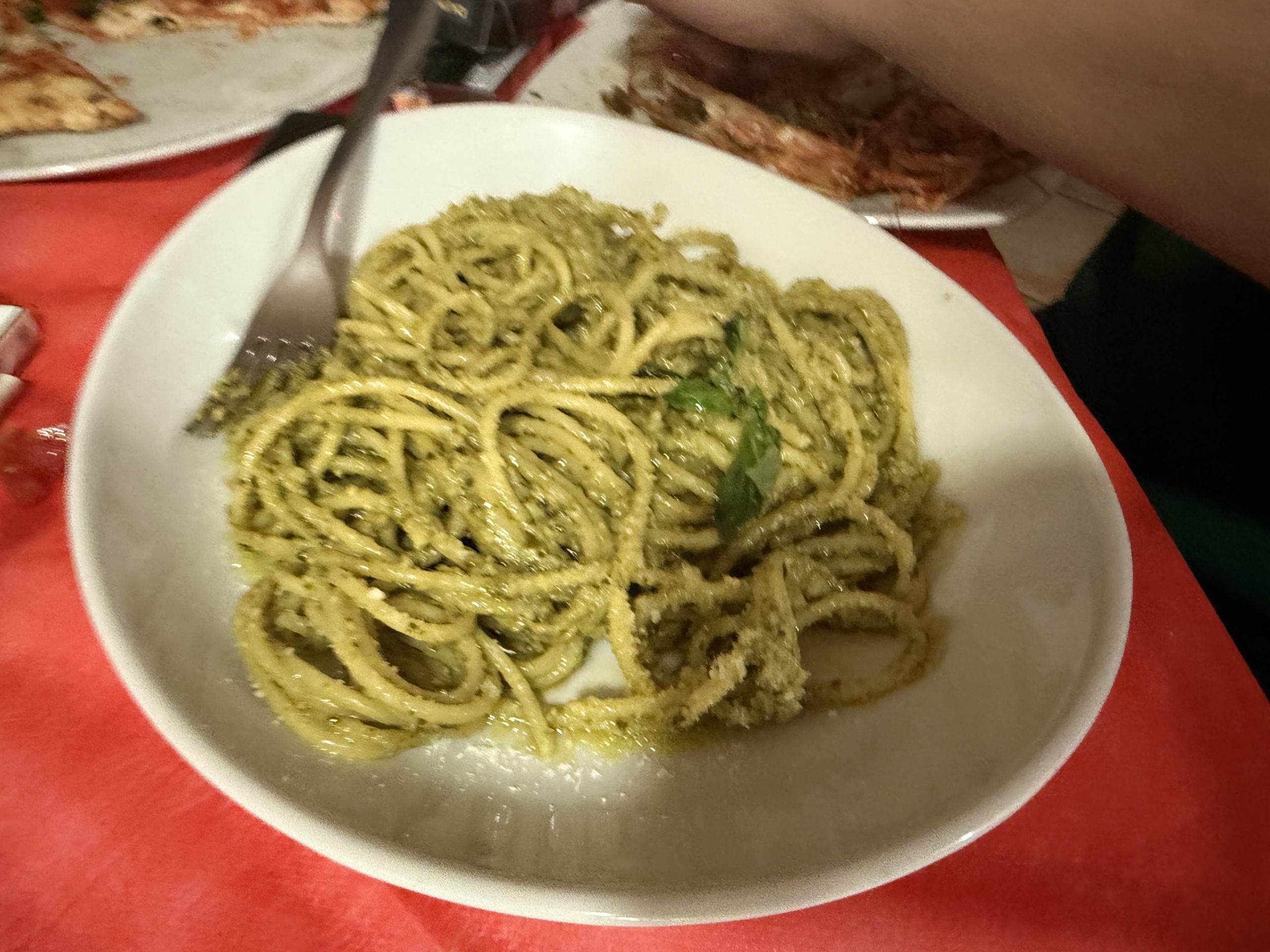
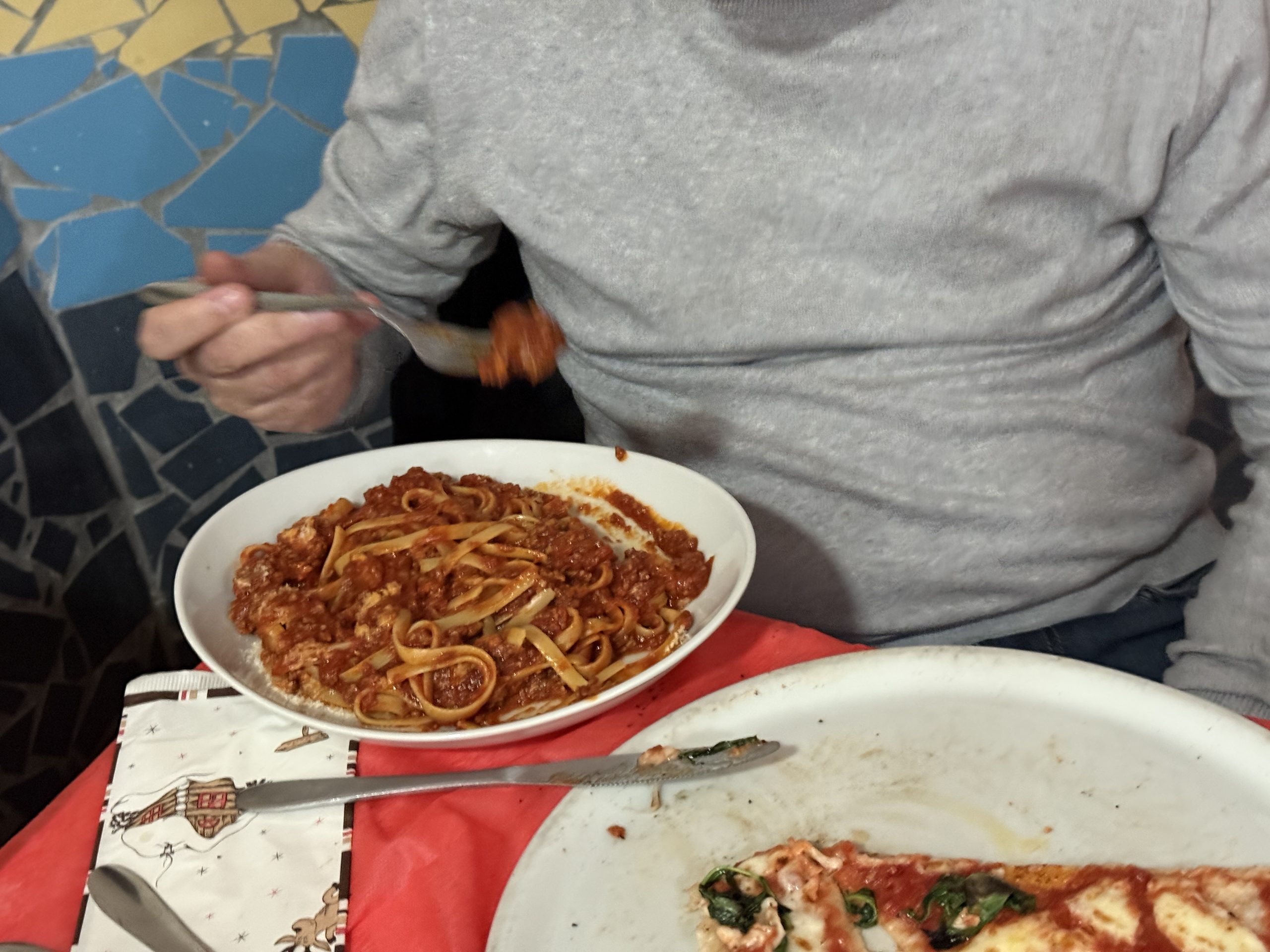
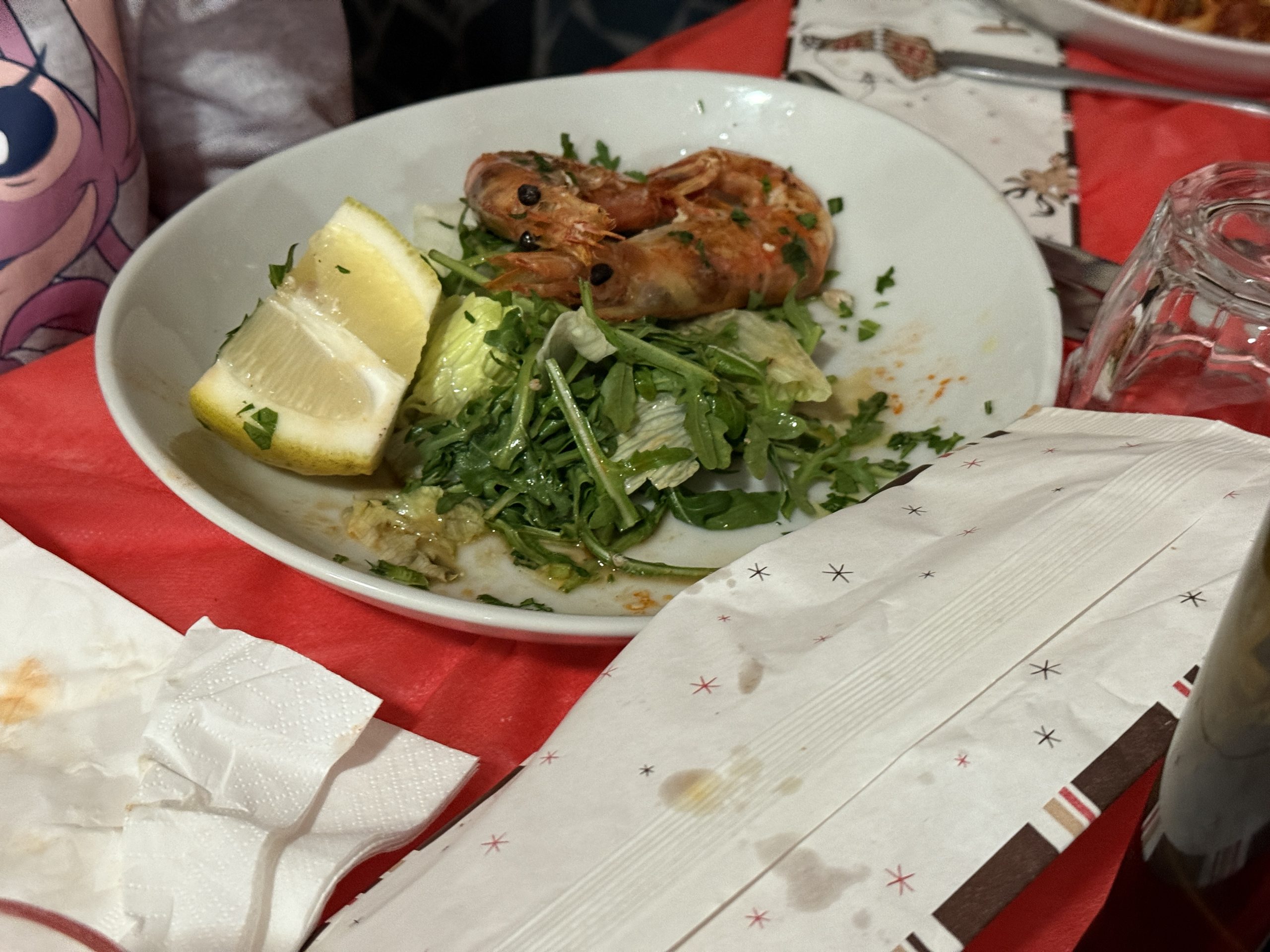
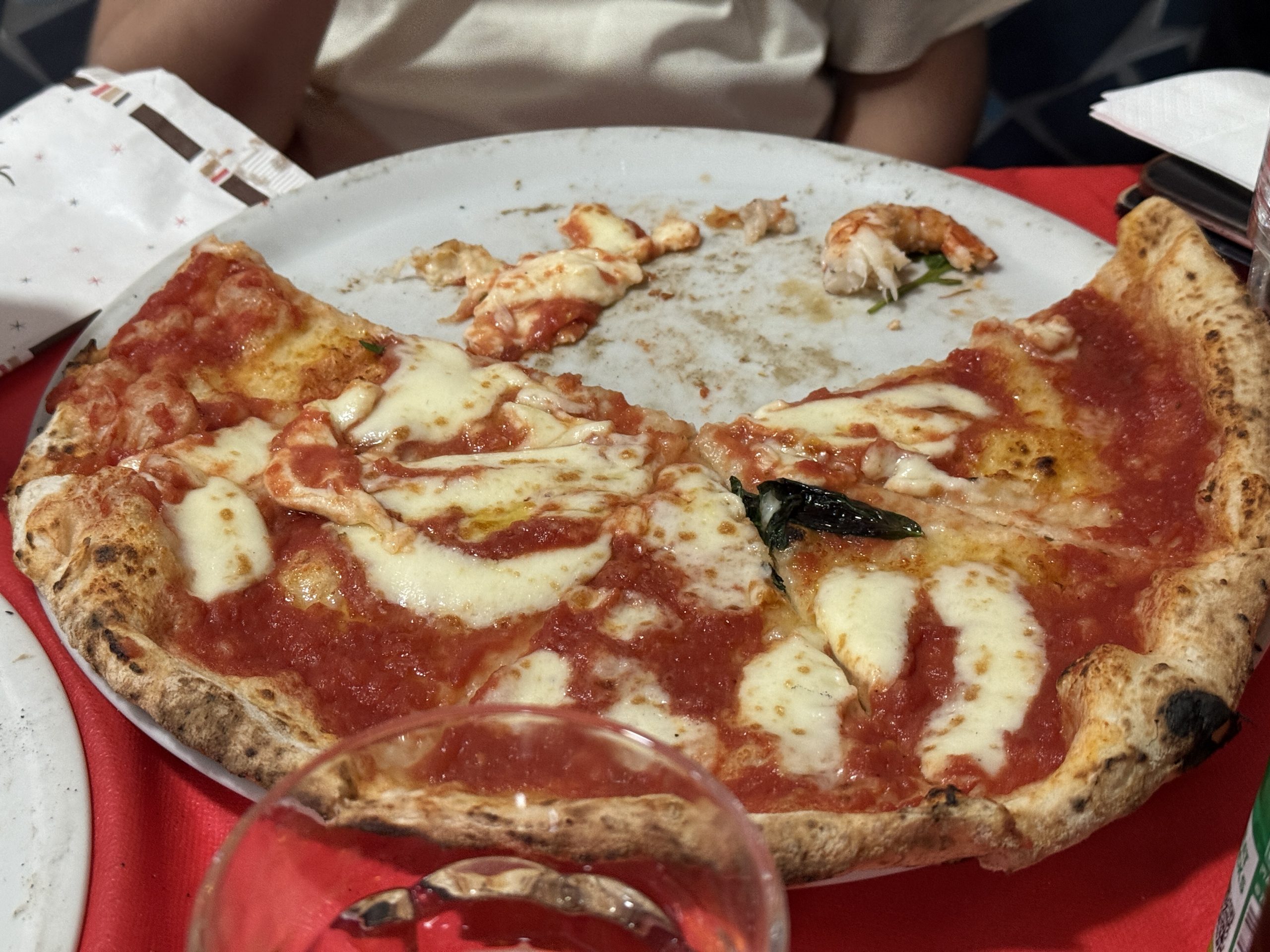
O’Scemo had a nice vibe to it, although the food was mediocre, but edible. We loved the atmosphere and decor, staff was nice, so we just went with it. Price wise, I couldn’t say it was either expensive or cheap, considering the prices in the area. We were dining right in the middle of the historical center, after all!
When we got there, there were just two tables occupied, we were the third one. But, it didn’t take long for the place to get full and people had to wait outside for one. I guess we were lucky?
The design of this restaurant was its strongest point. Unfortunately, not the food – which was overall good, nothing to complain about. But, we experienced dining in Naples as we would have never thought. At one point, some ladies came and sang something in Italian, very lively. At the end, they would ask for some appreciation, in EURO, if possible. Gave them a tip with all my heart, as the atmosphere changed and it was something unexpected.
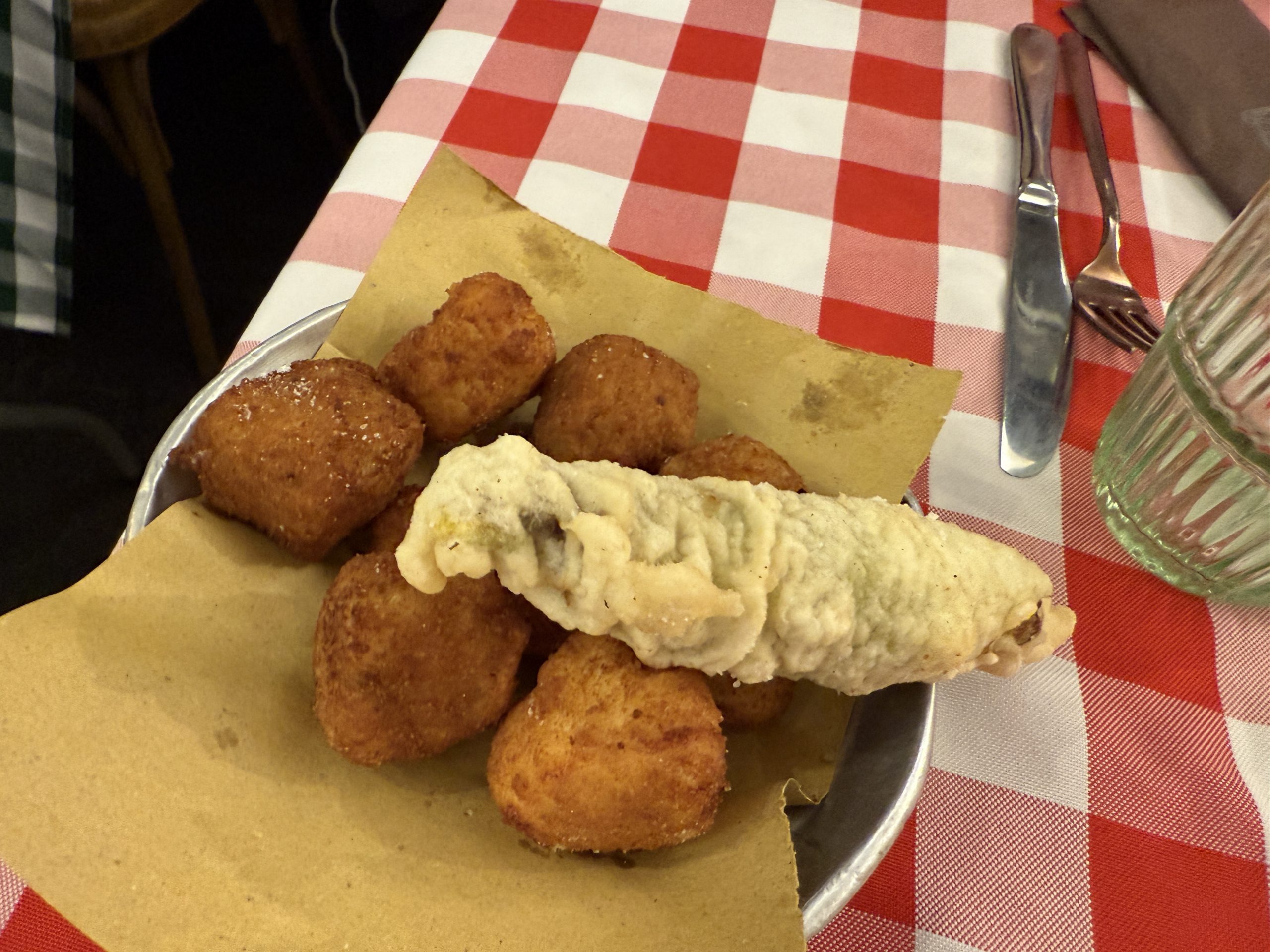
I don’t quite remember what we all ordered, but one of our friends got something from the menu called “Frittura della nonna”. In Italian cooking it refers to traditional, often rustic, fried foods made by grandmothers, typically meaning simple, comforting dishes like fried vegetables, fritters, or even fried pizza. He thought he was ordering steak. He kept asking for it to be brought to the table, and the waiter kept bringing it. We all thought they were appetizers we ordered and ate them. Legend says our friend is still waiting for his steak!
The bill came, and with it we found out that the restaurants always charged you a “coperto” fee, per person. This fee covers basic table setting costs like tablecloths, napkins and cutlery.
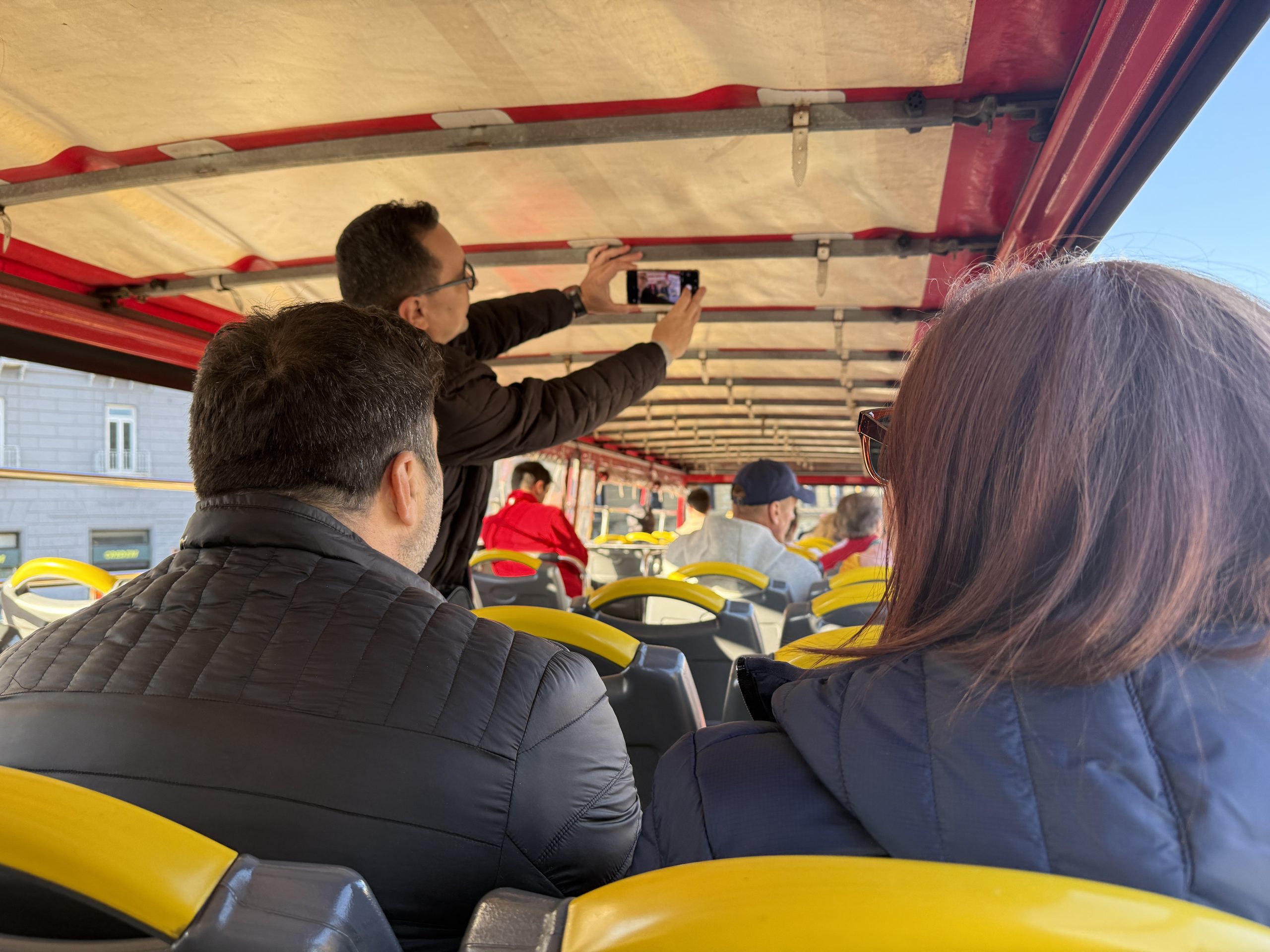
Hop-in Hop-off bus in Naples: should you try it?
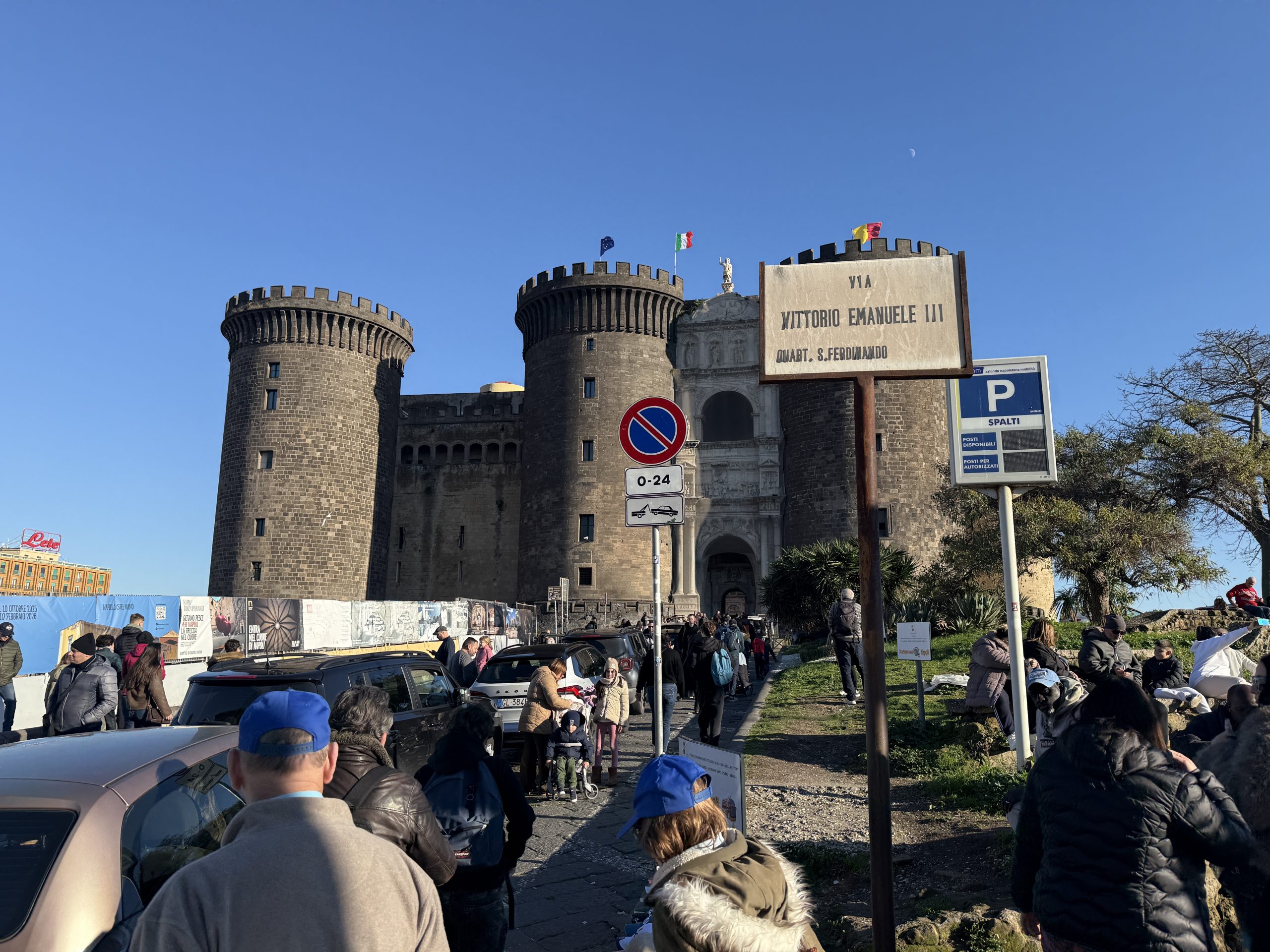
With our tummies full, we went our way to get in the hop-in hop-off bus, which was a 24 minute walk from our location, to Castel Nuovo near the shore line. We thought we could use some walking after all that eating!
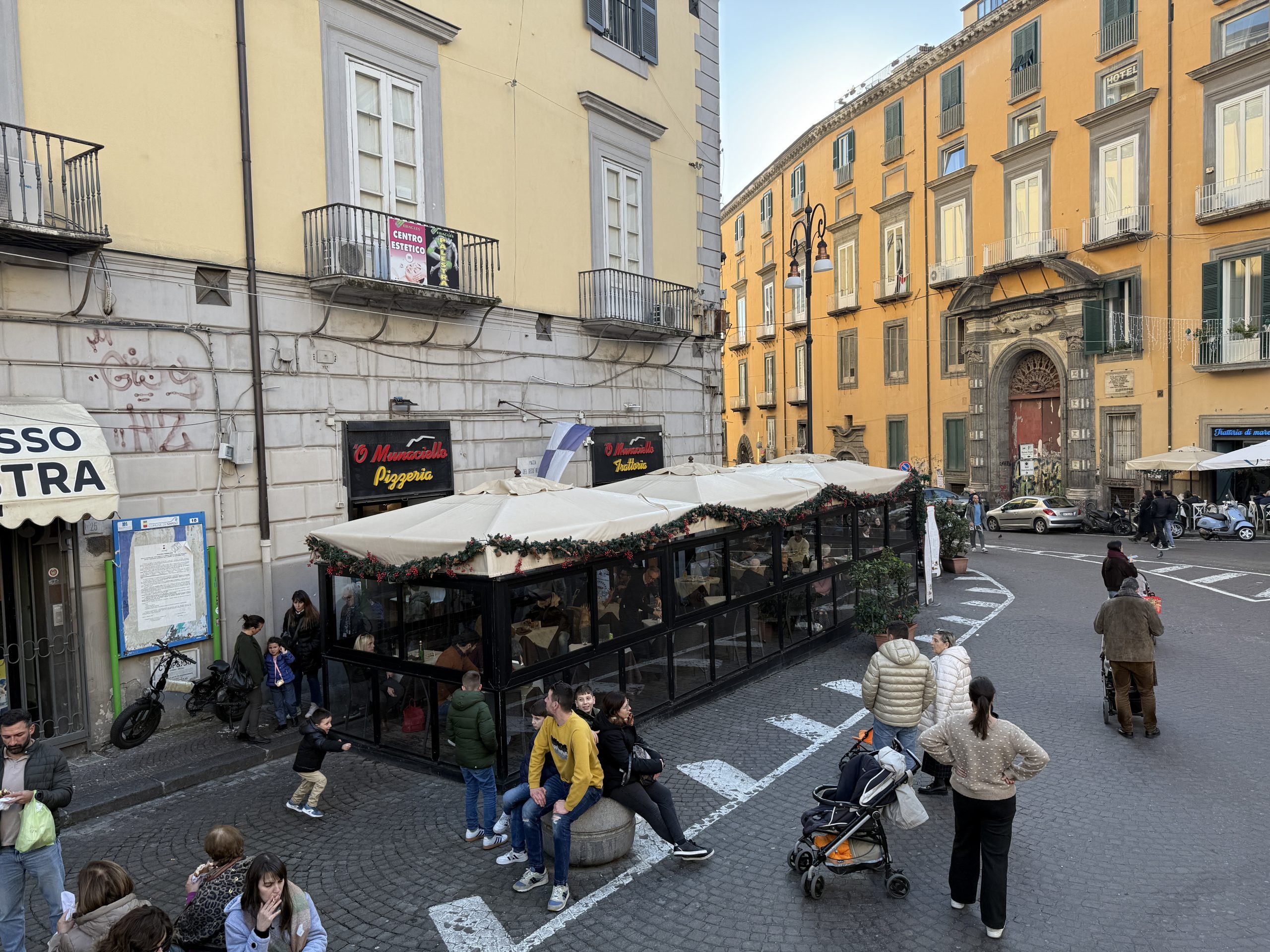
The historical streets were always very crowded, so be careful with your backpacks, pockets and belongings. Napoli, as many Italian cities visited by tourist (and not only Italian) are swarming with pick-pocketers. We heard there’s a whole mafia in Napoli and that we should keep an eye on our wallet, phone and valuables. Stay safe!
The historical streets are packed with people walking. Not all of them, just the ones we were on, apparently. We, at some point, decided to use google maps to get around those crowded streets, but our phone battery could only last so much. And we also didn’t bring our external batteries, which would have been great for charging our phones. If you have external batteries, you should consider adding them to your luggage.
Once you leave the historical streets, you can leisurely walk. It’s just that part of Napoli that seems to be over crowded. Not sure it was because we were visiting in December, or it’s just the way it is, all year round. Oh, and the seafront walk was just as bad – you’ll see that on day three.
The hop-in hop-off bus was 26 EUR for an adult and 13 EUR for one child. This included the two lines, line A Luoghi dell’Arte and line B La Vedute del Golfo. The first line is a 45 minutes tour, while the second one is about 70 minutes. ou get off at the same spot when returning and you wait for another bus to take you for line B.
We never got off the bus, but we could have stopped, explored, and hop in another bus. The schedule is listed on their flyers which you receive at their ticket store. They also advertise a shuttle to Pompei for 20 EUR per adult, with return included, but we took the train for that, which was 3.3 EUR per ticket per adult. That means we paid 6.6 EUR per adult for going to Pompei, which was much cheaper, and faster!
Where does the bus take you to?
On their flyer you can see the timetable and bus stops.
There are 15 departure times for Line A. The first one starts at 9:30 in the morning, and the last one departs at 4:30 in the afternoon. Departures are every 30 minutes, but those are estimated times, as the bus could be delayed due to traffic conditions.
Largo Castello (Piazza Municipio) is the primary meeting and departure point for many sightseeing bus tours, which offer convenient ways to explore different parts of the city and coast.
For Line A, you have the following stops:
- Largo Castello: This imposing medieval castle, a major landmark, houses the Civic Museum and offers great city views from its battlements;
- Piazza del Gesu: Dominating the square is this impressive church, known for its unique, rusticated façade of diamond-shaped volcanic stone. The interior is an ornate example of Neapolitan Baroque art and is home to the tomb of Saint Giuseppe Moscati;
- Piazza Dante: a grand, semi-circular square in the heart of Naples, dominated by an 18th-century architectural hemicycle designed by Luigi Vanvitelli and a central monument to the poet Dante Alighieri. It serves as a vital cultural and transportation hub, featuring a major Naples Metro Line 1 station and providing entry to the historic center through the ancient Port’Alba gate;
- Museo Archeologico Bellini: the museum houses premier collections of Greco-Roman artifacts and Pompeian treasures, Piazza Bellini itself is an open-air archaeological site featuring visible remains of the ancient Greek walls of Neapolis;
- Porta San Gennaro: the oldest gateway to the city of Naples, uniquely adorned with a 17th-century ex-voto fresco by Mattia Preti painted to thank the patron saint for ending a devastating plague. It serves as a historic entrance to the vibrant Rione Sanità district and is situated near the beginning of the Via Foria thoroughfare.
- Palazzo Caracciolo: a historic 16th-century aristocratic palace located in the heart of Naples that now functions as a luxury hotel while preserving its grand Renaissance architecture and elegant inner cloisters. Situated near the historic Porta Capuana, the building offers a sophisticated blend of ancient Neapolitan history and modern hospitality.
- Stazione Gribaldi: the city’s primary transportation hub, serving as the gateway to southern Italy by connecting the Napoli Centrale railway station with two metro lines and the Circumvesuviana railway to Pompeii.
- Corso Umberto: a prominent 1.3-kilometer straight boulevard created during the late 19th-century Risanamento urban renewal project to connect Piazza Garibaldi with the historic center. Today, it serves as a bustling commercial artery lined with Neo-Renaissance buildings, popular fashion retailers, and the historic main seat of the University of Naples Federico II.
- Piazza Bovio: a grand historic square centered around the imposing 19th-century Palazzo della Borsa and a magnificent 16th-century Fountain of Neptune. It serves as a major intersection along Corso Umberto I and is home to the art-filled Università Metro Station, which links the financial district to the city’s academic heart.
and then back to Largo Castello.
There are 10 departure times for line B. The first one starts at 9:45 in the morning, and the last one departs at 4:25 in the afternoon. Departures are every 30 minutes, same as Line A.
Line B takes you from Largo Castello to:
- Piazza Vittoria: a picturesque square located at the junction of the stylish Chiaia district and the waterfront, serving as a gateway to the lush Villa Comunale park. It is anchored by the historic Church of Santa Maria della Vittoria and features several neoclassical monuments overlooking the Bay of Naples.
- Viale Dohrn: a charming tree-lined avenue that runs alongside the lush Villa Comunale public park in Naples’ elegant Chiaia district. The area is known for the historic Anton Dohrn Zoological Station and its attached aquarium and Darwin-Dohrn Museum, as well as a popular antique market.
- Mergellina: a picturesque coastal district located at the foot of the Posillipo hill, famous for its scenic promenade, bustling fishing harbor, and the hydrofoil terminal connecting Naples to the Islands of Ischia and Procida.
- Capo Posillipo: the southernmost tip of the Posillipo promontory, offering some of the most breathtaking panoramic views of the Bay of Naples, Mount Vesuvius, and the island of Capri. This prestigious residential area is home to the stunning Parco Virgiliano, a terraced park that overlooks the volcanic island of Nisida and the ancient Roman submerged ruins of Gaiola.
- Posillipo: an affluent hilltop residential district celebrated for its Roman ruins and the Parco Virgiliano, which provides iconic panoramic views of the Bay of Naples and the island of Capri. The area features the breathtaking Gaiola Underwater Park and elegant seaside villas nestled along cliffs that overlook the Tyrrhenian Sea.
- Parco Virgiliano: a stunning panoramic park perched on the tip of the Posillipo promontory, offering series of terraces with 360-degree views of the Bay of Naples, Mount Vesuvius, and the Phlegraean Fields. It is a peaceful green oasis popular for its athletic tracks and its dramatic overlook of the volcanic Islet of Nisida.
- Via Petrarca: one of the most prestigious and scenic roads in Naples, winding along the Posillipo hill to offer spectacular, unobstructed views of Mount Vesuvius and the entire Gulf of Naples. This residential boulevard is lined with elegant villas and panoramic overlooks, making it a favorite destination for both romantic evening drives and photography.
- Piazza Vittoria: a prominent square located at the scenic junction of the elegant Chiaia district and the city’s waterfront, serving as a primary entrance to the Villa Comunale park. The square is anchored by the historic Church of Santa Maria della Vittoria and features several neoclassical monuments overlooking the Bay of Naples.
- Via Chiatamone: a historic street nestled between the sea and the rocky Monte Echia, famous for its ancient caves that once hosted Mithraic rituals and later served as a fashionable promenade for Neapolitan nobility. The area is currently a central hub for refined hotels and traditional restaurants, situated just a short walk from the iconic Castel dell’Ovo and the Lungomare.
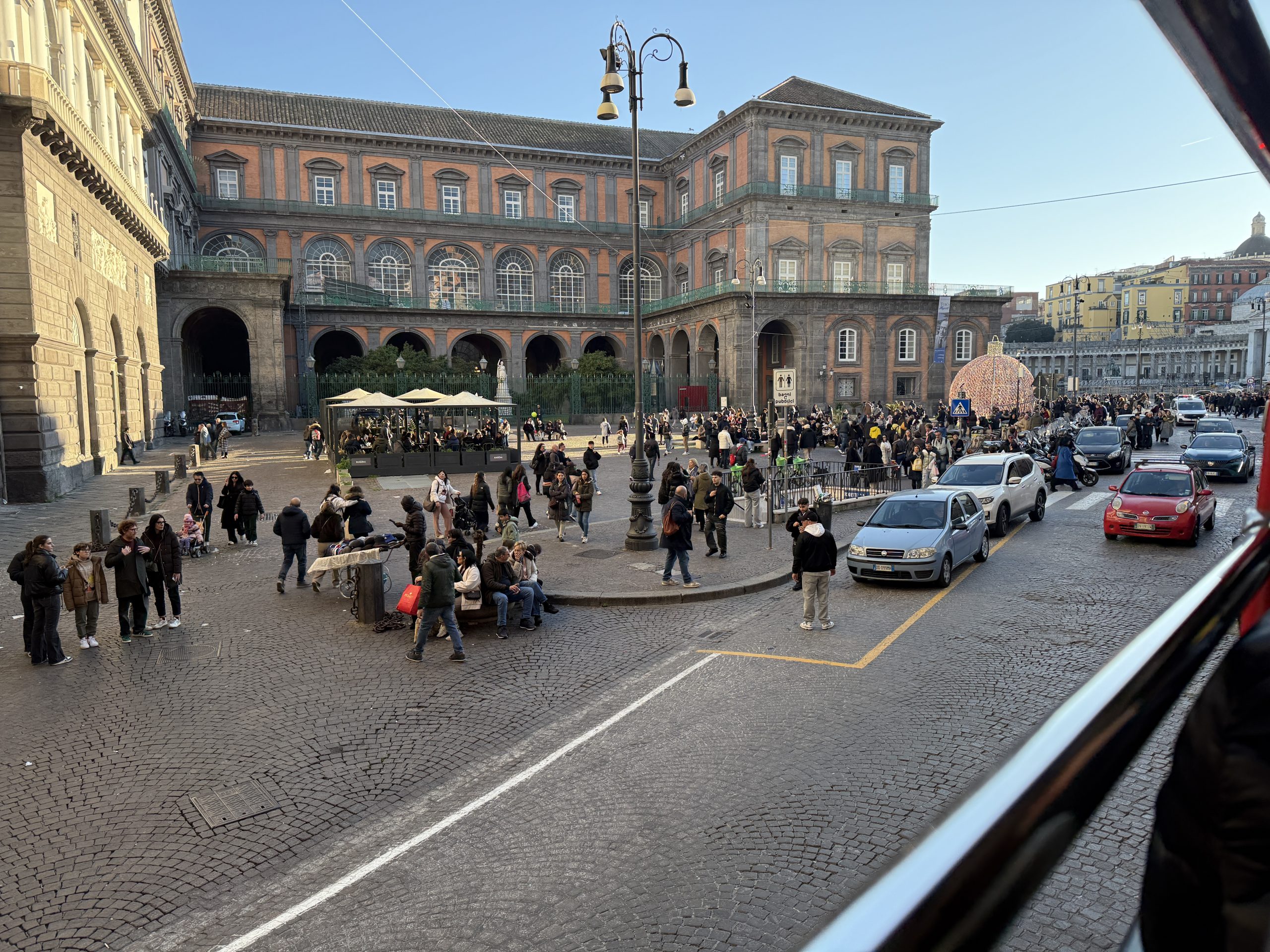
- Via Acton: a bustling waterfront thoroughfare that skirts the southern edge of the Royal Palace and the Castel Nuovo, serving as a vital link between the historic center and the Molo Beverello ferry terminal. The street is notable for the Acton Elevator, which connects the high-ground of Piazza del Plebiscito to the port below, and for housing the historic naval base that doubles as a filming location for the popular Italian series Mare Fuori.
and back to your first stop, Largo Castello
If you have time, I would advise getting off at the stops and exploring Naples. Take note on the bus stops and see which ones you would like to see.
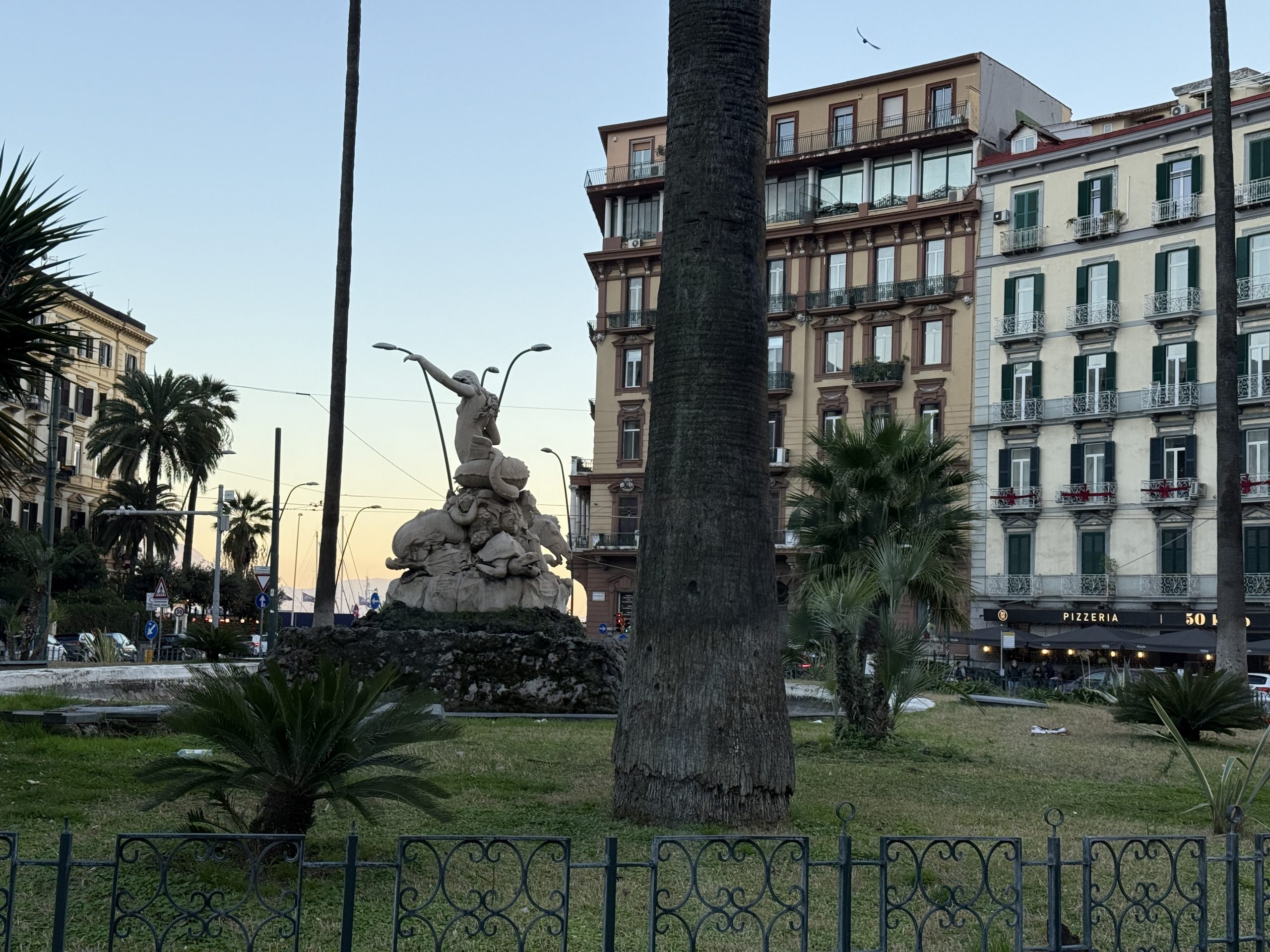
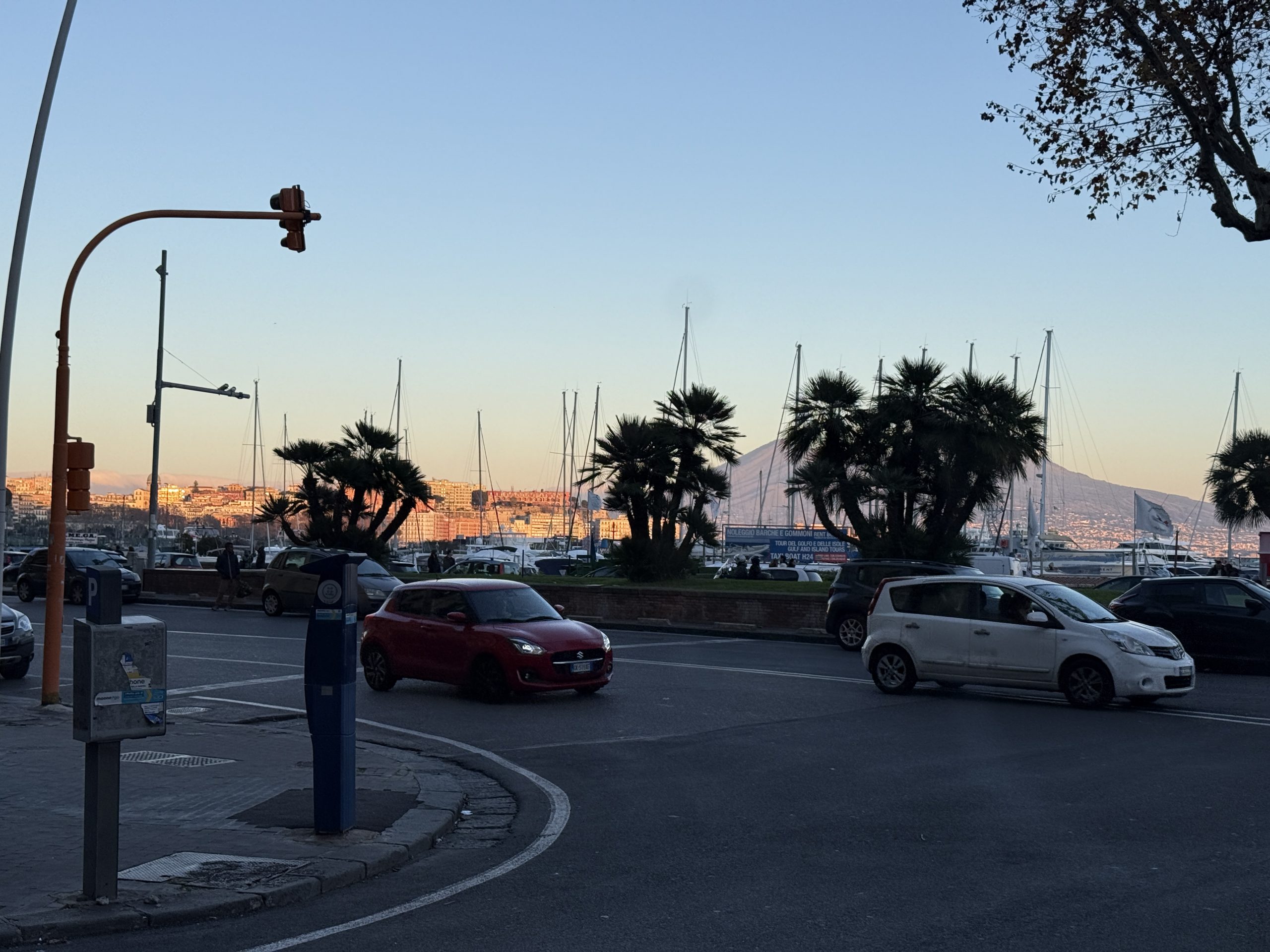
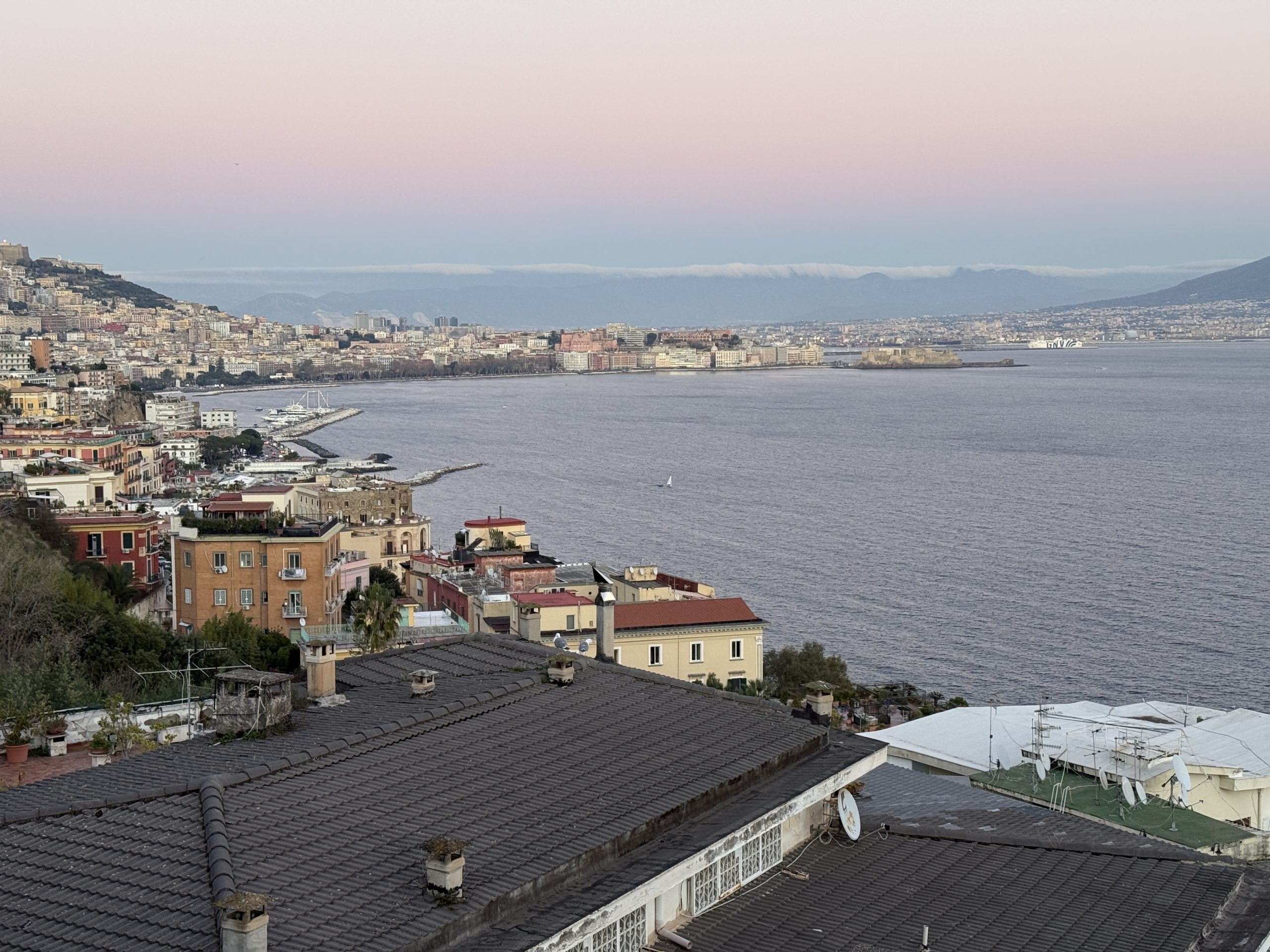
After we got back to the apartment, which was meanwhile cleaned, so to say, we decided to eat dinner at Spuzzuliamm. We found this on Google, with a good rating and decent pricing. Like normal pricing, I would dare say. Although it was a short walking distance from our stay, around 5-6 minutes, it served delicious food, and had a familiar atmosphere!
Don’t be bothered by the lady that serves you and basically throws the menu on the table. She’s a nice lady and has great humour – mainly sarcastic. We would joke saying we had to eat all our food, or she will beat the crap out of us! She would bring the food as it was prepared. If you were hungry and lucky to have the meal ready, she would bring it. If not, others would eat and you would watch – or maybe gram a bite from their dish. One thing I forgot to mention: bread was always salty. Not only here, but everywhere we ate. And you could also vape inside this restaurant.
Day 2 in Naples: Don’t miss Vesuvius and Pompei
On our second day, we got up early in the morning and went straight to the train station. From Naples Centrale, we took the train to Pompei Scavi. This was about 1km away from our stay, so we went there walking and arrived in 15-16 minutes. This was around 8 a.m.
When you get inside the train station, you want to look for the line Circumvesuviana. This is located underground, so you will need to descend to the lower level. When you enter the train station, take a few steps inside and face the exit. You will see the stairs going below – take those.
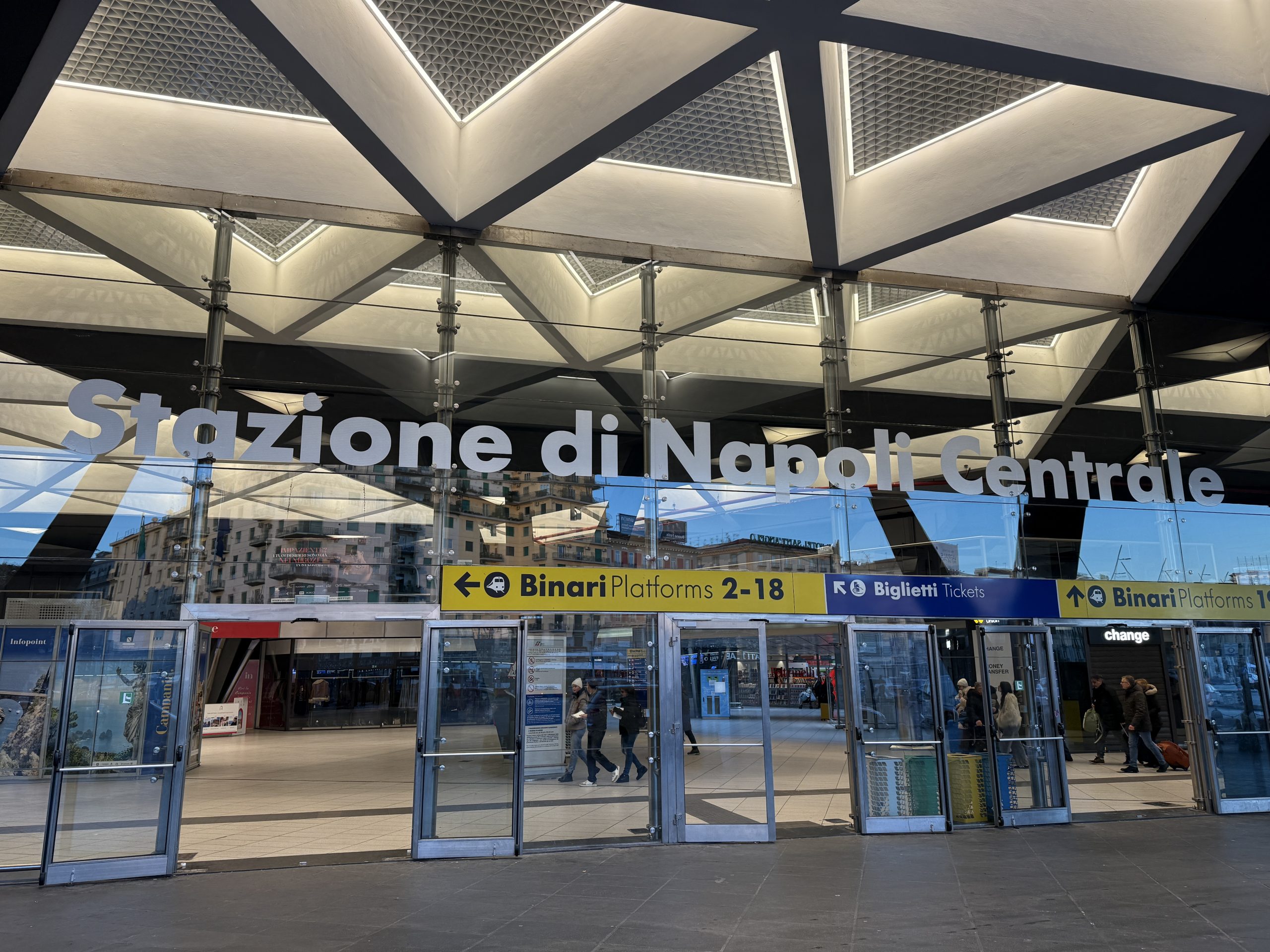
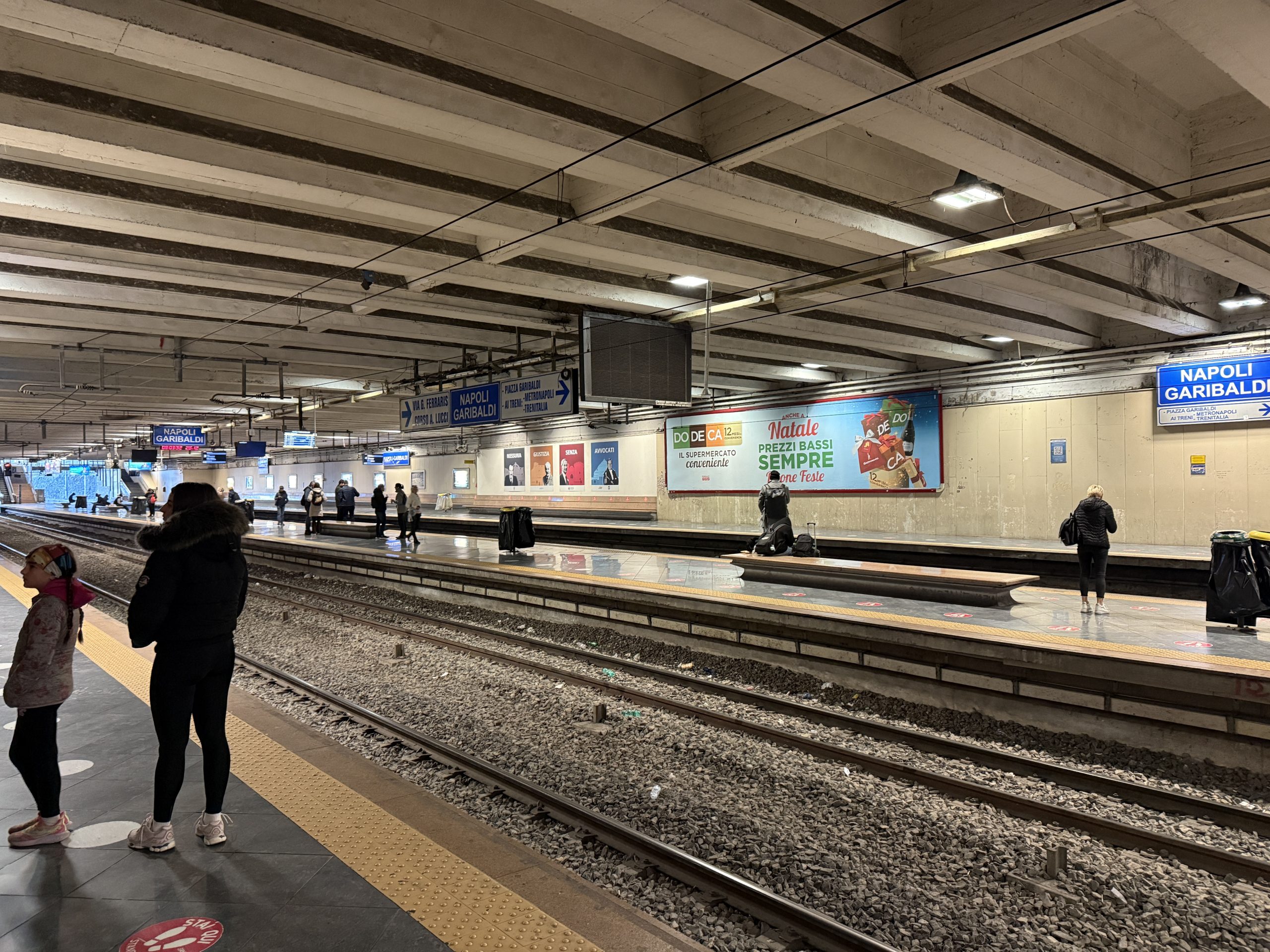
Once you have descended, make a left and walk until the end of the corridor. You need to look for Salerno line, that’s how you get to Pompei. The Vesuvius volcano and Pompei are on the same stop: Pompei Scavi.
We purchased our train tickets from the vending machine, with the help of a lady that worked there. While doing that, you need to select Napoli suburbia. Also, a tip we wish we knew: buy both tickets (turn and return) here, because when leaving, there will be a large crowd waiting to purchase tickets from the train station.

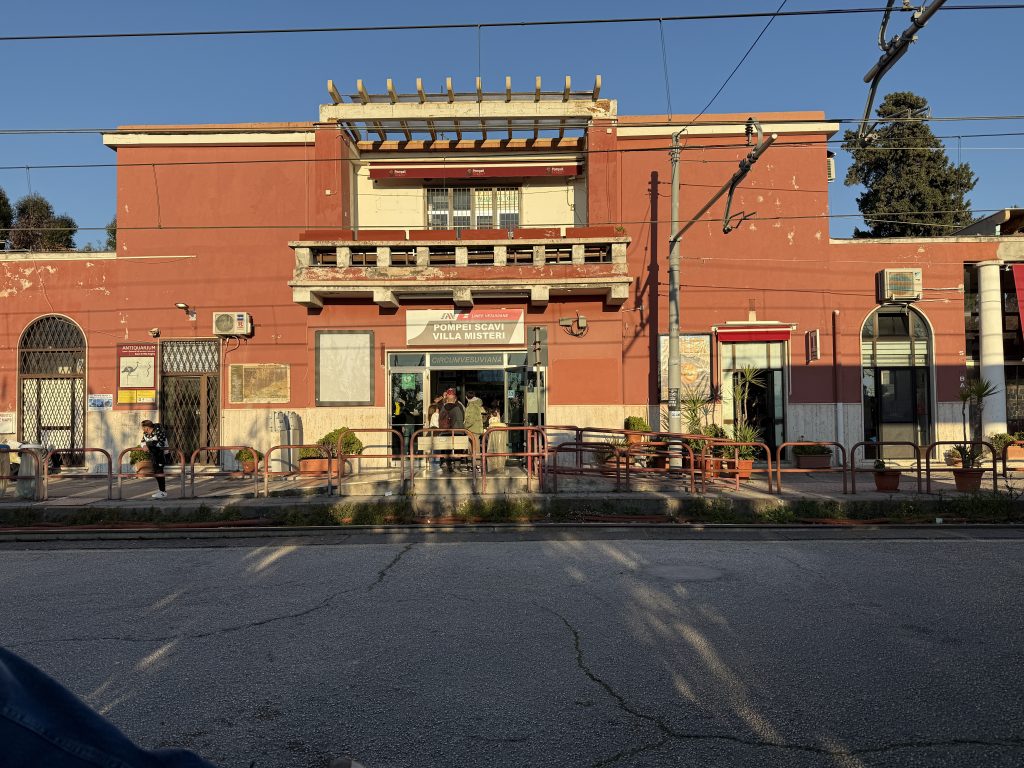
While in the train, we never saw a display showing where the train stopped. So, we never knew where we were. Luckily, someone on the train mentioned when Pompei Scavi was the stop, so a bunch of us got out just in time. Never be afraid to ask! It’s better than ending up in Salerno – which is nice, too, I guess…
Seeing the Vesuvius Volcano fume: how to reach it
Now, we didn’t purchase our tickets online, but you could do that. We made the decision to go to the Vesuvius volcano first, and take or time exploring Pompei later. Pompei is large and worth seeing, but there was a trick to it: you cannot climb to the volcano after 3 p.m., at least not in December and also many of the houses that are open for visits in Pompei close after that. But you can still see Pompei, just not those particular houses. It takes hours to walk through Pompei, maybe worth a second visit as you cannot see it in just one pass. So, fearing we would not get to the volcano in time, we decided to see that one first. And so we did.
Cost wise, tickets were 35 EUR per adult bought from the ticket booth operating outside of the train station. They tried selling us tickets to Pompei too, but we purchased those at Pompei gate, since we would be arriving late and decided to take a tour without a guide to speed things up.
The ticket for Vesuvius included the bus ride and the entrance fee. The entrance fee was 11 EUR to the actual volcano. The driver would take us to the volcano, leave us there and come back for us at a settled time. After you climb up to the volcano, which is a long way up so you should take a shuttle unless you want to spend the whole day climbing, you reach a gate. There, tickets are checked. We showed them our pass from the ticket booth and they gave us another ticket for the entrance. We didn’t pay for that, but it was written on the thicket that it would have been 11 EUR. You need to show that ticket to another gate, so be sure to keep it.
Groups pass through the main entrance, so you might not be allowed the first time. But the wait is short and you will climb to the volcano in a few minutes. A reminder that we visited in December and if you plan on making this trip during winter, you should dress accordingly. It’s a bit cold out there and I surely could have used a had and maybe a warm blanket. And make sure you are wearing comfortable shoes, too. Your feel will thank you.
There just one shop with a toilet there. If you need to go, do it!
The climb was a bit overwhelming for us all. And we were not the only ones that stopped from time to time. We would watch others pass us by on their way down and they looked happy and fine. We all started wondering if there was something wrong with us… I thought I would never reach the crater and I was hoping someone from our group would just say “screw it, I’m going back”. Minutes climbing felt like months, but we eventually reached the crater. It was magnificent!
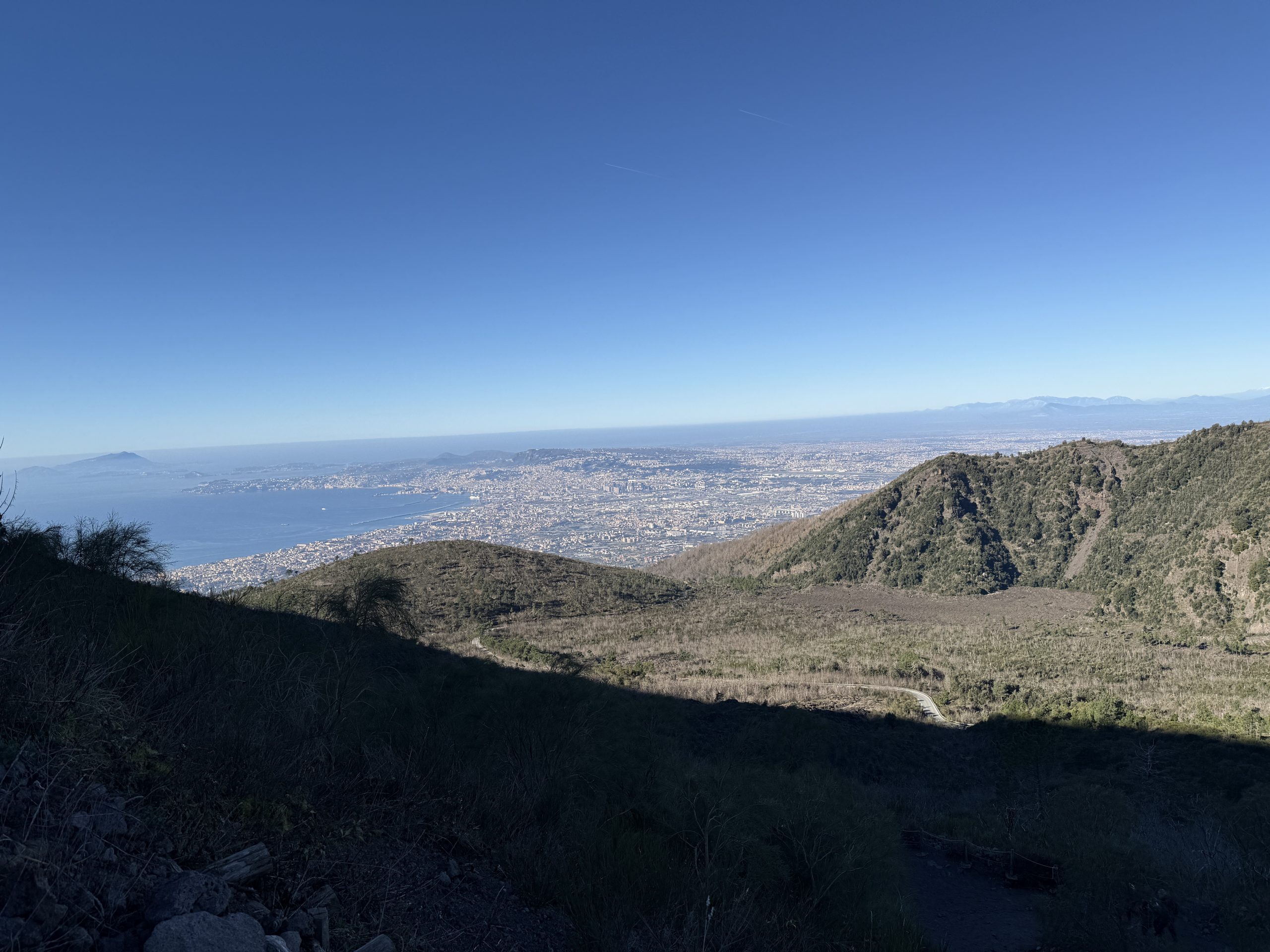
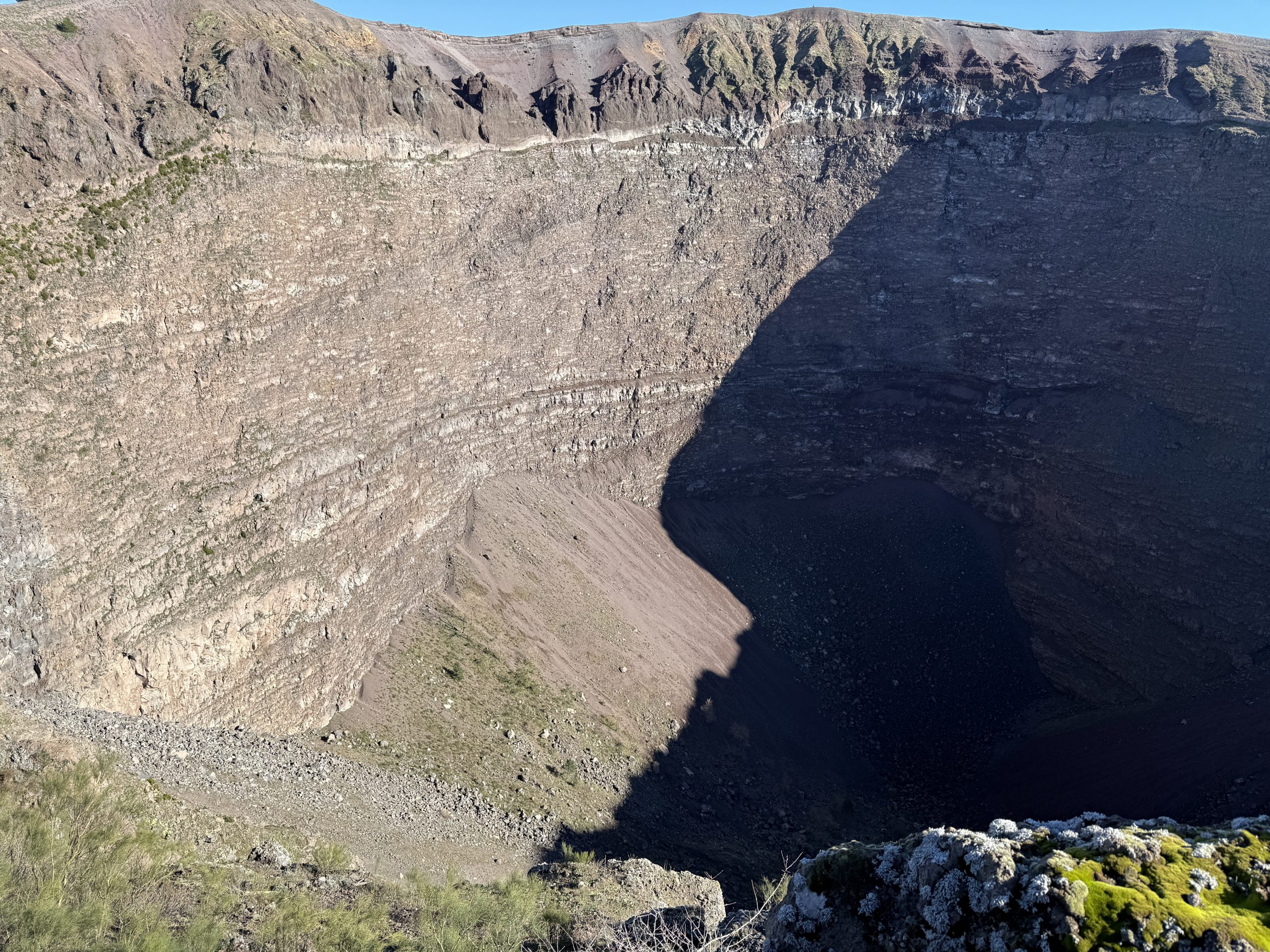
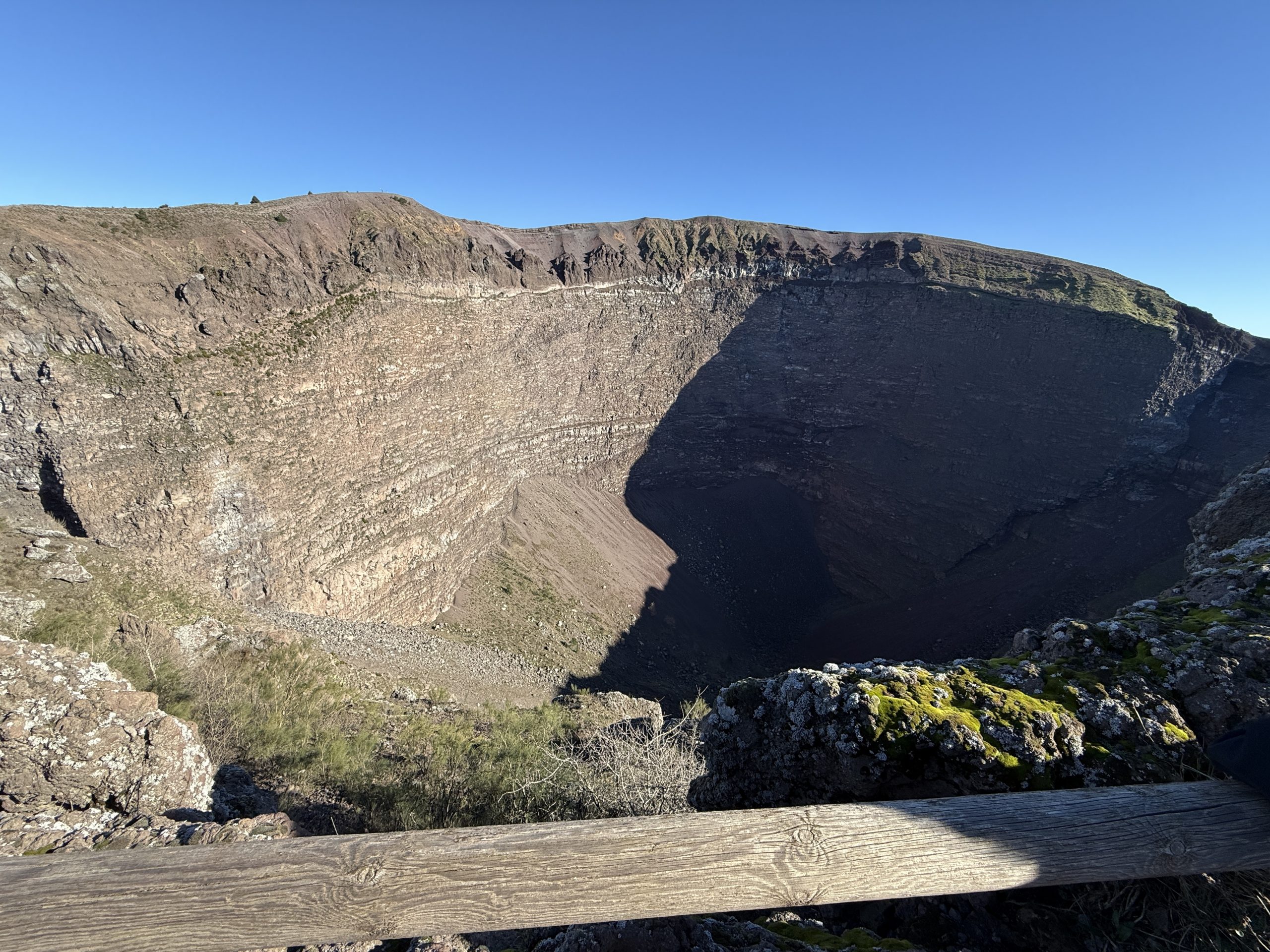
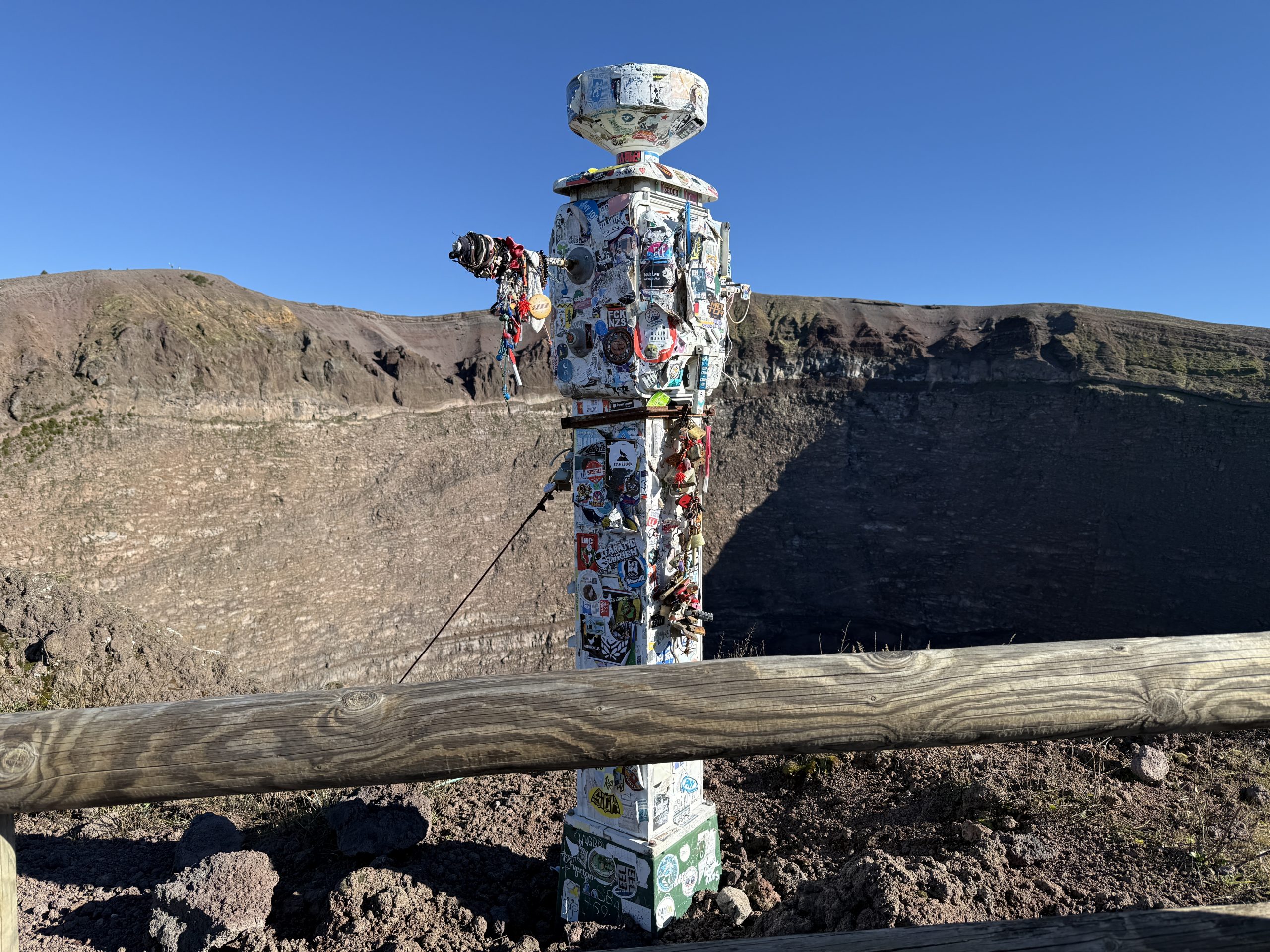
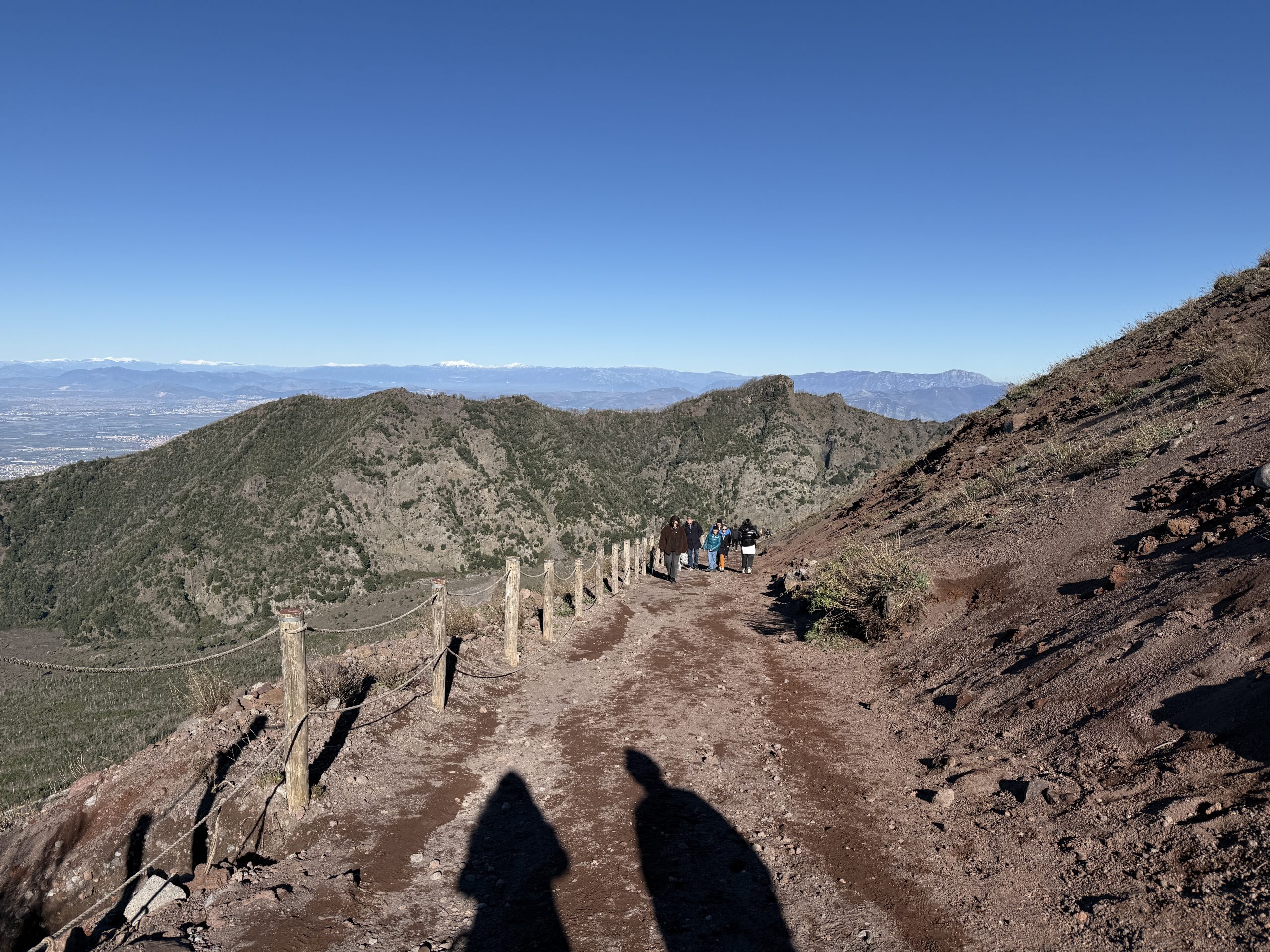
For those of you who don’t know, here’s a bit of history: Mount Vesuvius is an active stratovolcano in southern Italy, most famous for its catastrophic AD 79 eruption that buried the Roman cities of Pompeii and Herculaneum. It is considered one of the world’s most dangerous volcanoes due to the 3 million people who live nearby. The volcano is currently in a state of repose, with its last eruption occurring in March 1944. Vesuvius is the only active volcano in mainland Europe. It is constantly monitored by the Vesuvius Observatory, and its current alert level is green (basic/ordinary activity).
After admiring and seeing it fume a little bit, we said it was time to head down, since our ride was about to show up. The descending was way easier, figure! We hopped in the shuttle bus and went back to the train station – our pickup point.
Adventure in Pompei: Was it worth the trip?
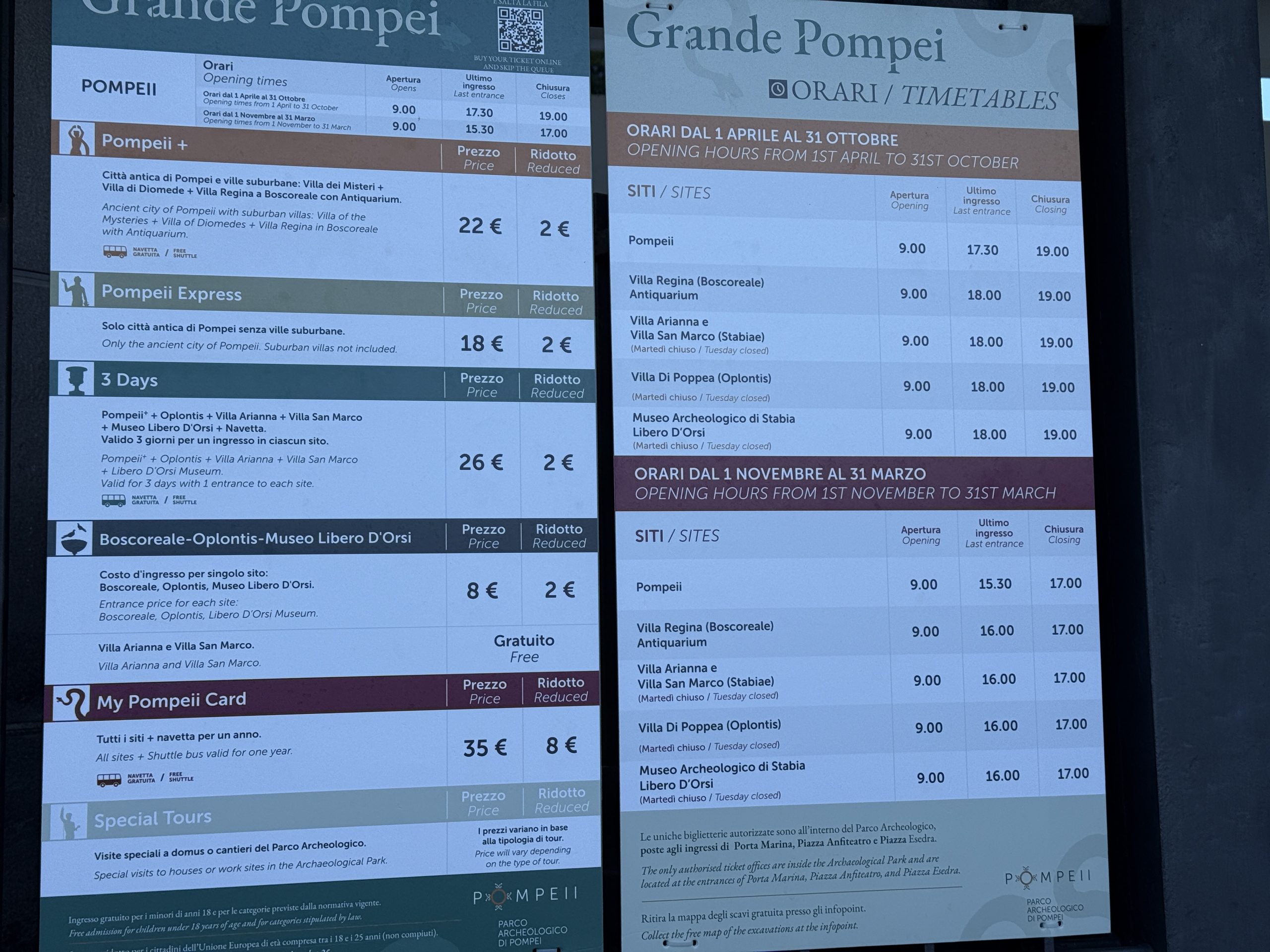
The train station is basically near the entrance of Pompei, so we had no issue there. We walked to the ticket line and in a few minutes got our passes. We opted for a pass which would allow us to view the houses that were otherwise forbidden. They were marked with a blue dot on the flyer that came with the ticket pass. On the flyer opening hours are mentioned, and the were as follows: from the first of April to the 31st of October, the site opens at 9:00 AM and closes at 7:00 PM. Last entrance is at 5:30 PM. From the first of November to the 31st of March, it’s only open from 9:00 AM to 5 PM. Last entrance is at 3:30 PM.
And thus began our adventure in Pompei.
Clueless, we started walking to the entrance of the site and boy, were we surprised to see it all! On the flyer we had a full map of the city, but it was enormous so we decided to randomly walk and just gaze at whatever we could. At a certain point we thought about using google maps, which was a great idea. Some key spots are marked there and you can easily check them out, if you can read a map – and you should, right?
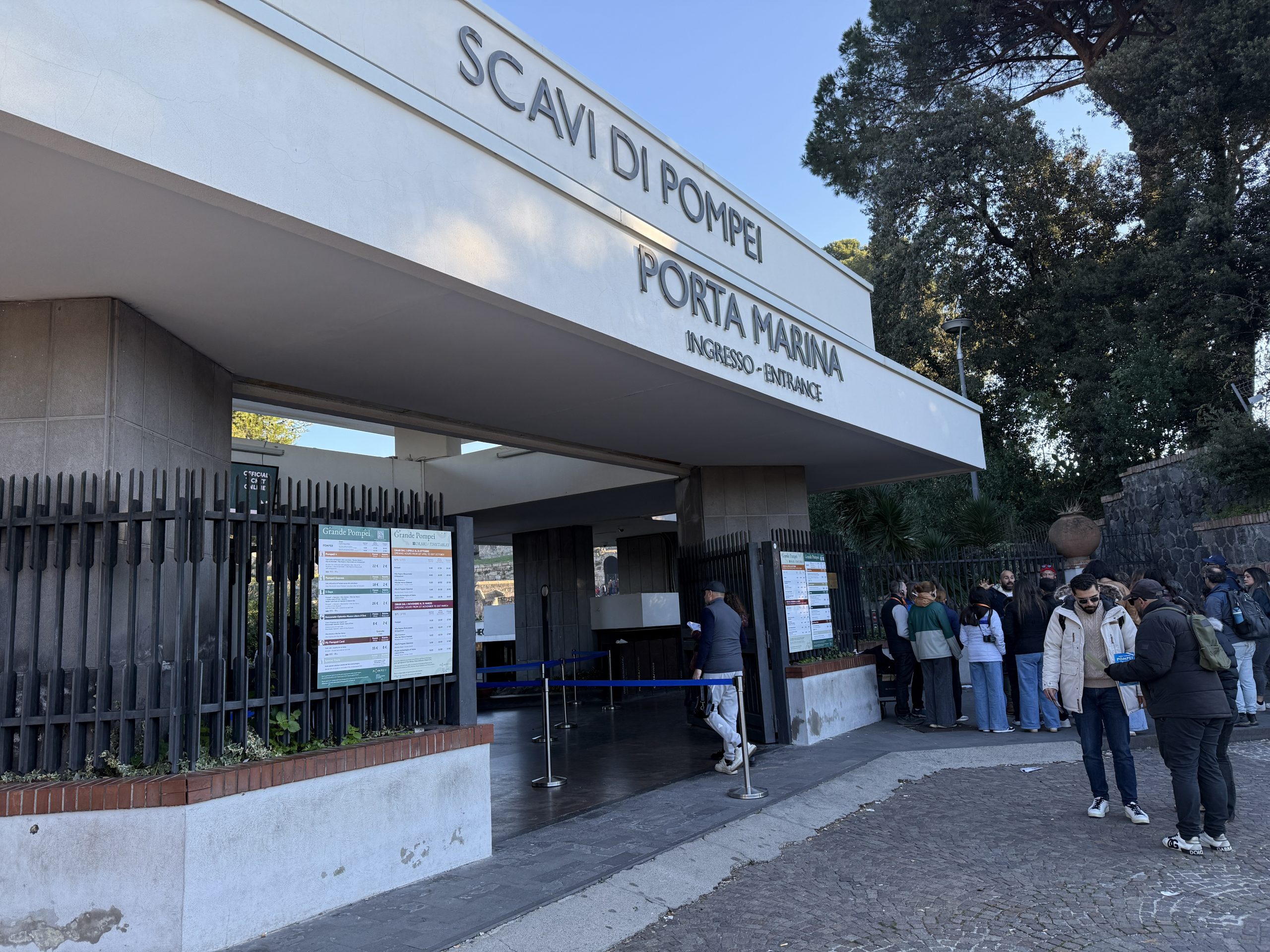
Here comes another short history lesson of Pompei: Nearly 2,000 years ago, Pompeii was a vibrant Roman resort city famous for its bustling markets, grand amphitheaters, and luxurious villas. Its citizens lived in the shadow of Mount Vesuvius, which they believed was a peaceful mountain, unaware it had not erupted for hundreds of years. The catastrophe began on a typical day in AD 79 (traditionally August 24, though recent evidence suggests October 24). Shortly after midday, a massive boom echoed across the city as Vesuvius exploded, sending a “mushroom cloud” of ash and pumice 20 miles into the stratosphere.
For the next 18 hours, volcanic debris rained down like “gray snow,” burying streets and causing roofs to collapse. While many residents fled toward the sea, others took shelter in cellars, hoping the “storm” would pass.
On the morning of the second day, a series of pyroclastic flows—super-heated clouds of gas and ash moving at 180 mph—swept down the mountain. These flows instantly killed those remaining in the city and buried everything under up to 23 feet of debris.
Pompeii was forgotten for over 1,500 years until its rediscovery in the late 16th century. When archaeologists began systematic excavations in 1748, they found a city “frozen in time”.
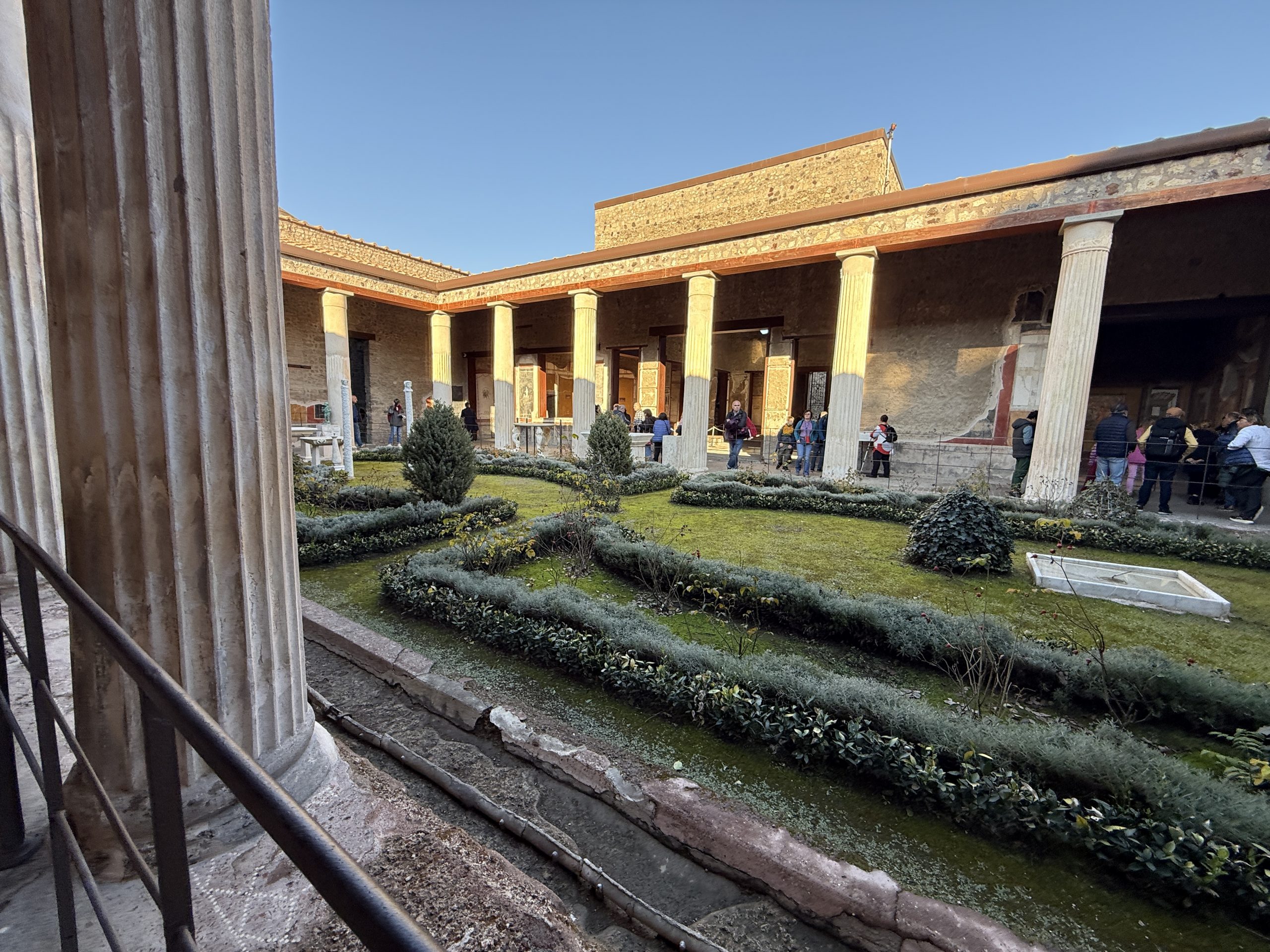
We walked for hours and at the end of our journey, we went to see Villa Dei Misteri. It was the only house that required the ticket to be checked, because we basically missed all the others. We got there nearing closing time, as it was the one furthest West, and also had an exit from the park.
What makes the Villa of the Mysteries a must-see site is its extraordinarily well-preserved decoration. These paintings are considered some of the finest surviving examples of ancient Roman art and are believed to depict an initiation rite into the cult of Dionysus. Dating back to the 2nd century BC, the villa features over 60 rooms, geometric mosaic floors, xenia (still life) paintings, and decorative stuccowork. In addition to its luxurious residential quarters, the villa had functional areas for wine production, evidenced by a wine press restored to its original position.
If you want to check out the video of Pompei we made, click play below:

We parted ways with Pompei and reached the train station again, where people were waiting outside in the queue for ticket purchase. That’s why I mentioned it was best to purchase two tickets from the Naples Centrale train station.
We came back to Naples around evening and, people were beginning to head to dinner so the streets were crowded, as usual. We, again, ate at Spuzzuliamm and went to sleep.
Day 3: Relax and soak in Naples
Our third day in Naples was relaxing. We deserved it, after all that walking we did a day before.
We finally made it to DI Matteo pizzeria. This is a historic and world-renowned pizzeria located in the heart of Naples, famous for its traditional Neapolitan pizza and iconic street food, such as the frittatina.
The most significant moment in the pizzeria’s history occurred in July 1994 during the G7 summit held in Naples. Bill Clinton: The then-U.S. President famously took an unplanned walk through the historic center. Lured by the scent of fresh dough, he stopped at Di Matteo and ate a pizza a portafoglio.
Images of the President eating Neapolitan street food with his hands were broadcast worldwide, triggering a global “re-discovery” of Neapolitan pizza and cementing Di Matteo’s international fame.
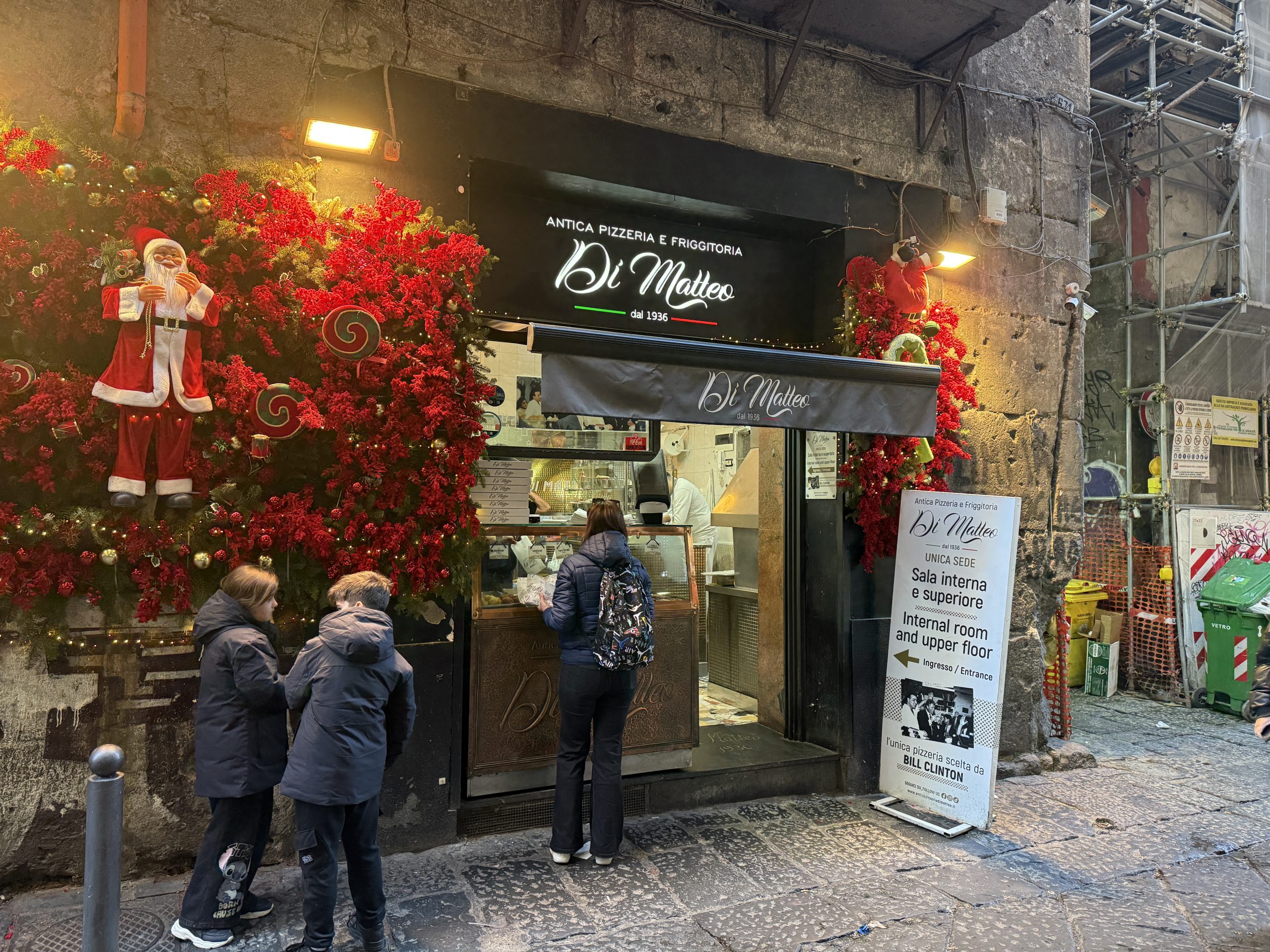
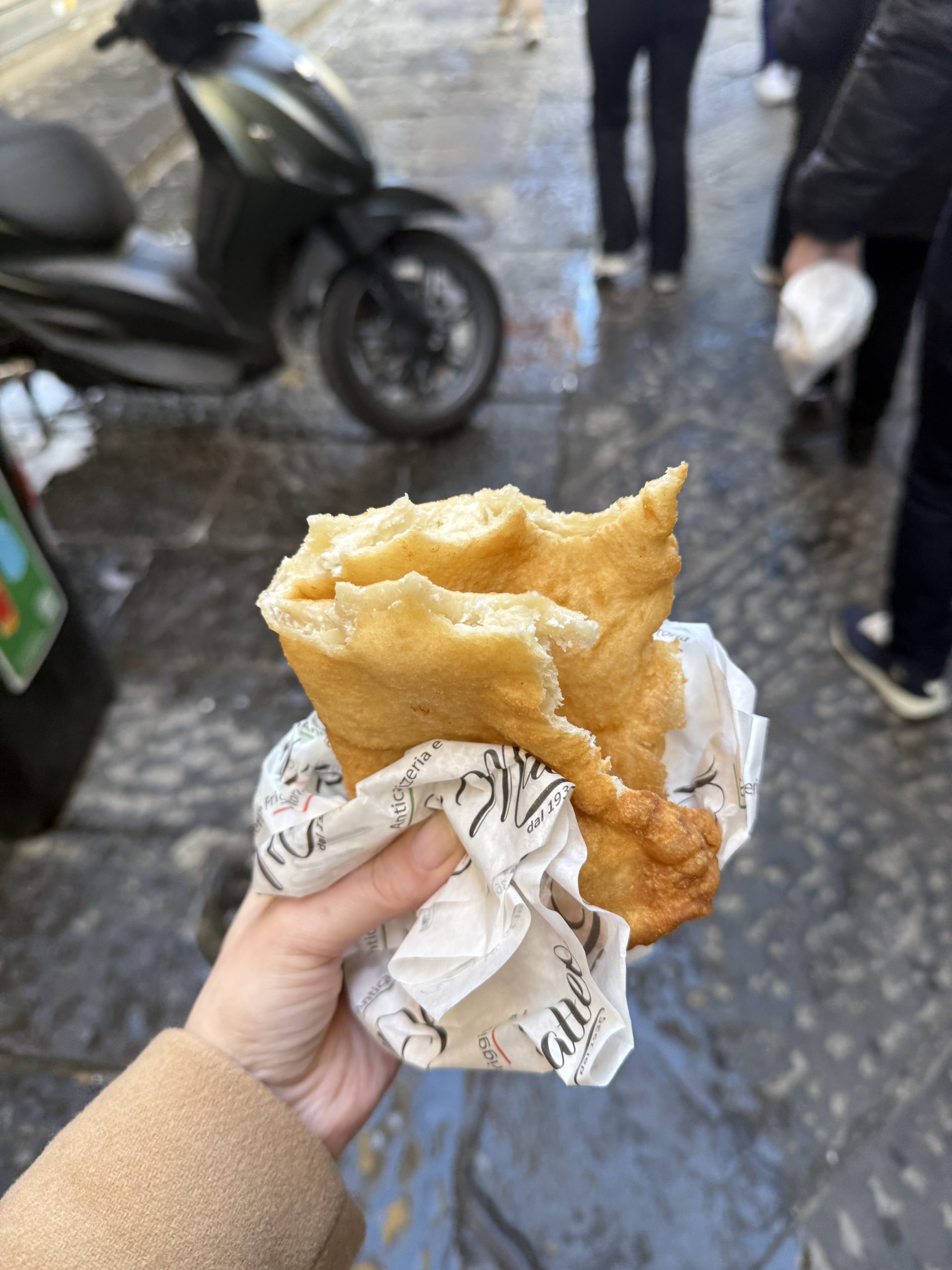
I got a fried pizza, as I was curious to see what it was about. And I guess I was hungry, too. I wouldn’t call that pizza. I would call it a cheese dough pie, because it only had cheese inside. Didn’t eat it all and I was still hungry – go figure!
Explore Underground Naples via Galleria Borbonica
We walked about 30 minutes to Galleria Borbonica.There are multiple entrances, including at Vico del Grottone 4, Parcheggio Morelli (Via Domenico Morelli, 61 c), and Palazzo Serra di Cassano on Via Monte di Dio.
The Galleria Borbonica (Bourbon Tunnel) is a fascinating unfinished underground passageway beneath the streets of Naples that serves as a historical time capsule and popular tourist attraction.
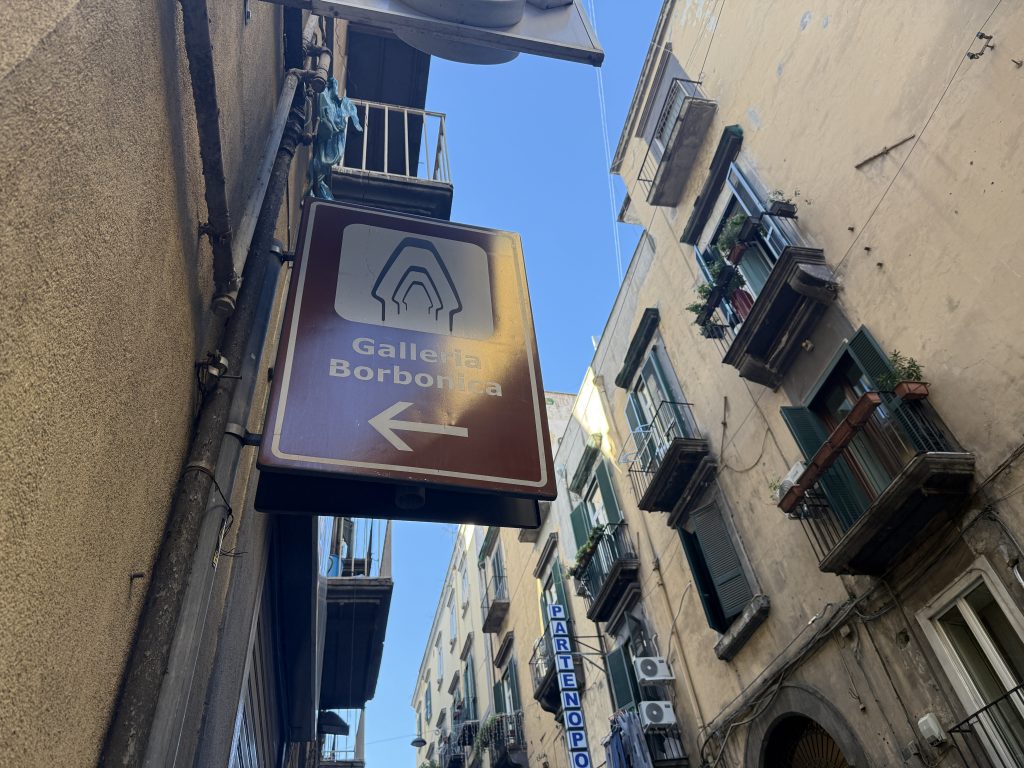
The tunnel was commissioned in 1853 by King Ferdinand II of Bourbon, who feared the volatile Neapolitan populace and needed a secure, rapid escape route from the Royal Palace to the military barracks near the port (now Via Morelli).
The tunnel was never completed for its royal purpose. During World War II, it was transformed into a large air-raid shelter and military hospital, providing refuge for thousands of Neapolitans from aerial bombardments.
After the war, until the 1970s, it became a judicial deposit warehouse, storing impounded vehicles, debris, and materials from collapses and evictions before being sealed and forgotten for decades.
A cultural association rediscovered and cleaned the passageways in the 2000s, opening them to the public in 2010.
Visitors can see a unique collection of vintage cars and motorcycles, abandoned under piles of debris in the mid-20th century.
Explore the rooms used as war shelters, where you can still see handwritten messages, children’s toys, and folding beds left by those who sought refuge there.
The tours integrate ancient Greek and Roman aqueduct systems and 17th-century water cisterns, which reveal the city’s deeper history. One ca admire the impressive engineering of the 19th-century tunnel, including grand arches and tuff quarries.
Take a stroll down the shoreline
We got out the other way and headed to the shoreline. In just a few minutes, we were blending with the crowds. And when I mean crowds, I mean I wasn’t expecting a mob of people strolling! We were hoping to have lunch at some restaurant there, which we found on google with great reviews. But, unfortunately for us, all the restaurants were packed and people waiting in line to have a drink.
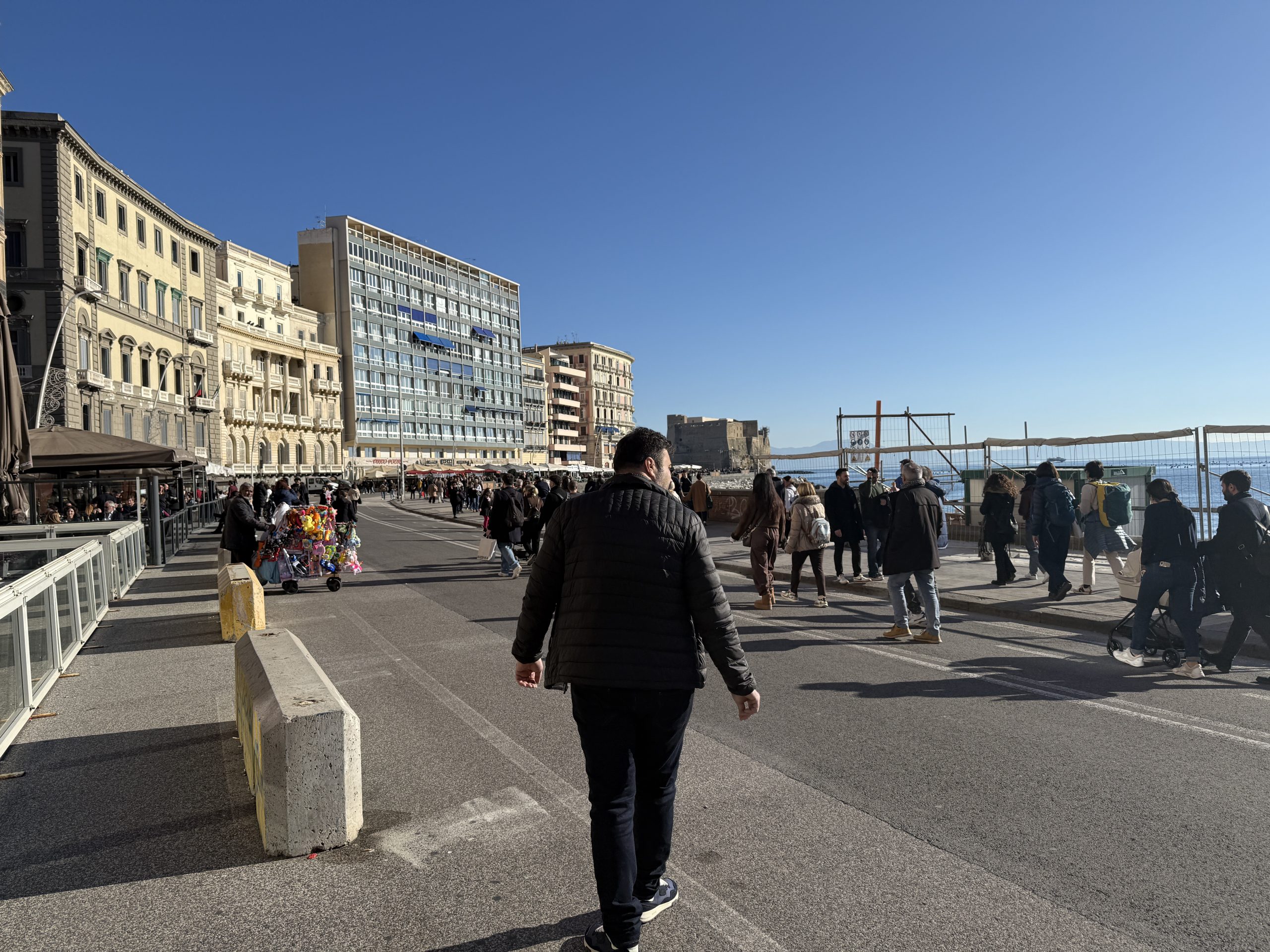
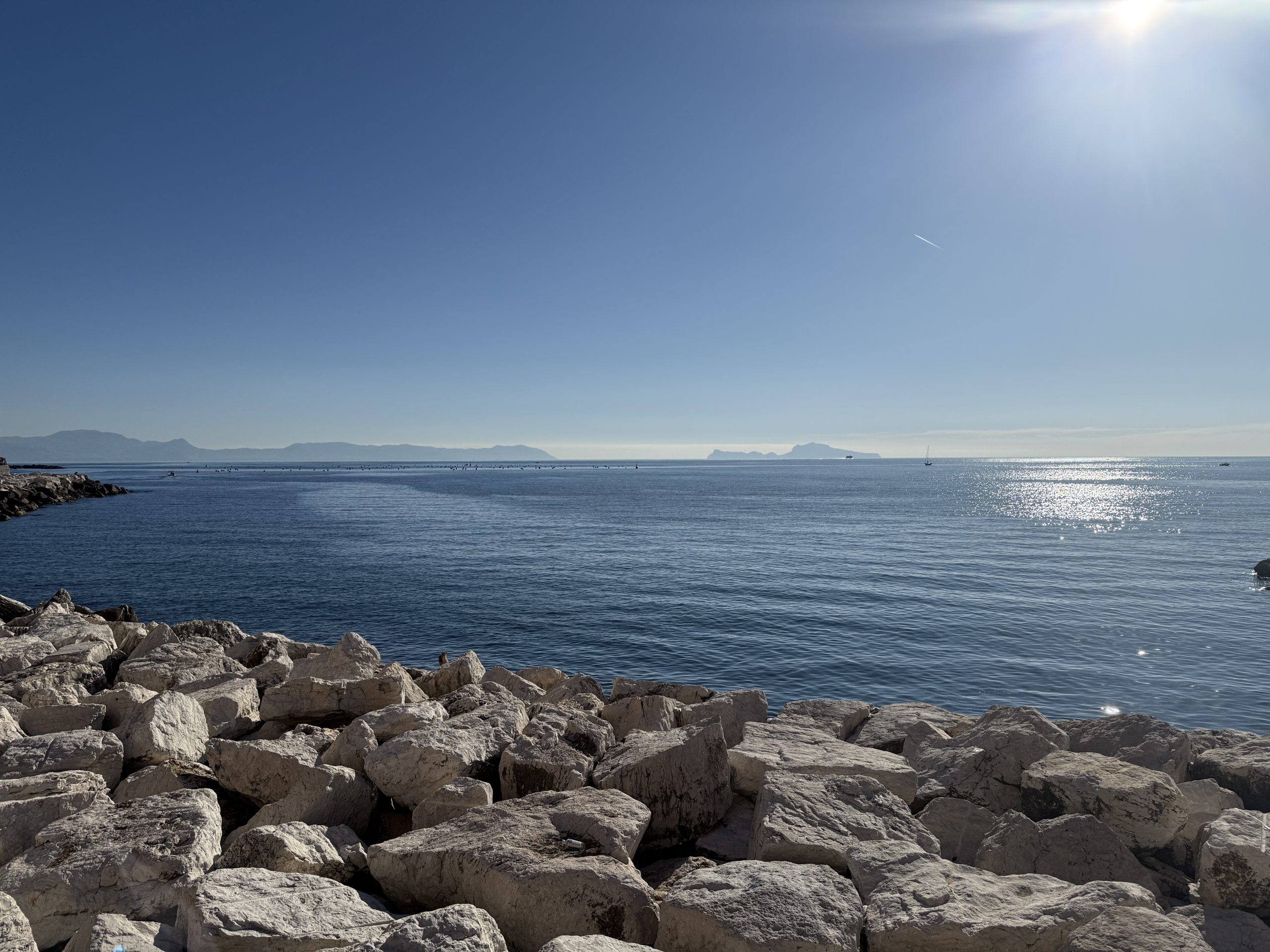
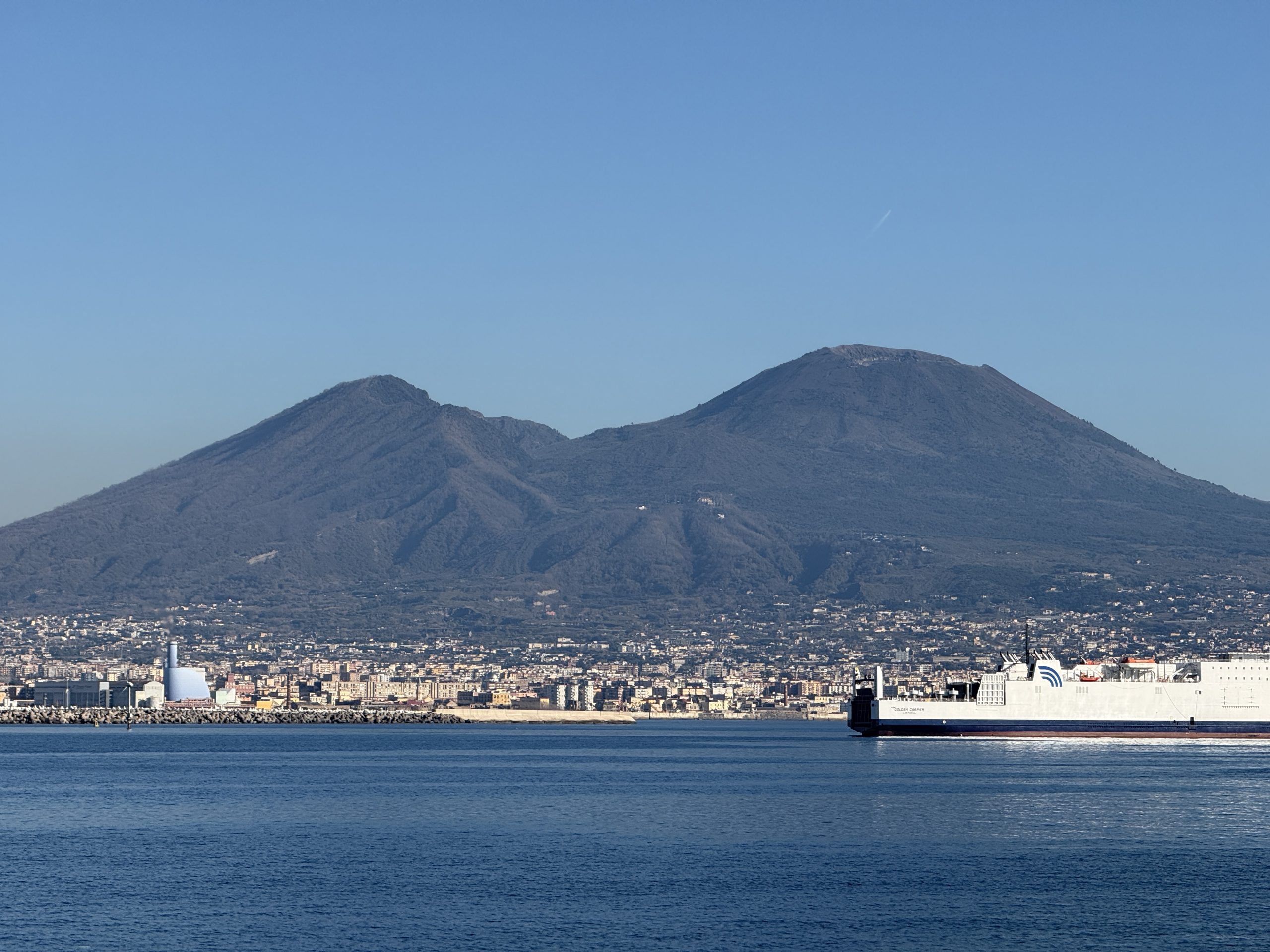
We finally sat down at a restaurant, but we wish we hadn’t! This was Neapolitan Cafe. Name on sign said Ciro Lungomare. Avoid it!
Out of all the restaurants there, we had to pick the one that had a rating under 2 stars on Google, if you can imagine those are still in business. Well, of course they are. Because of people like us, who unknowingly sit down because of hunger and desperation and just don’t read reviews prior to ordering. We should have thought there was something wrong about it, since it had free tables.
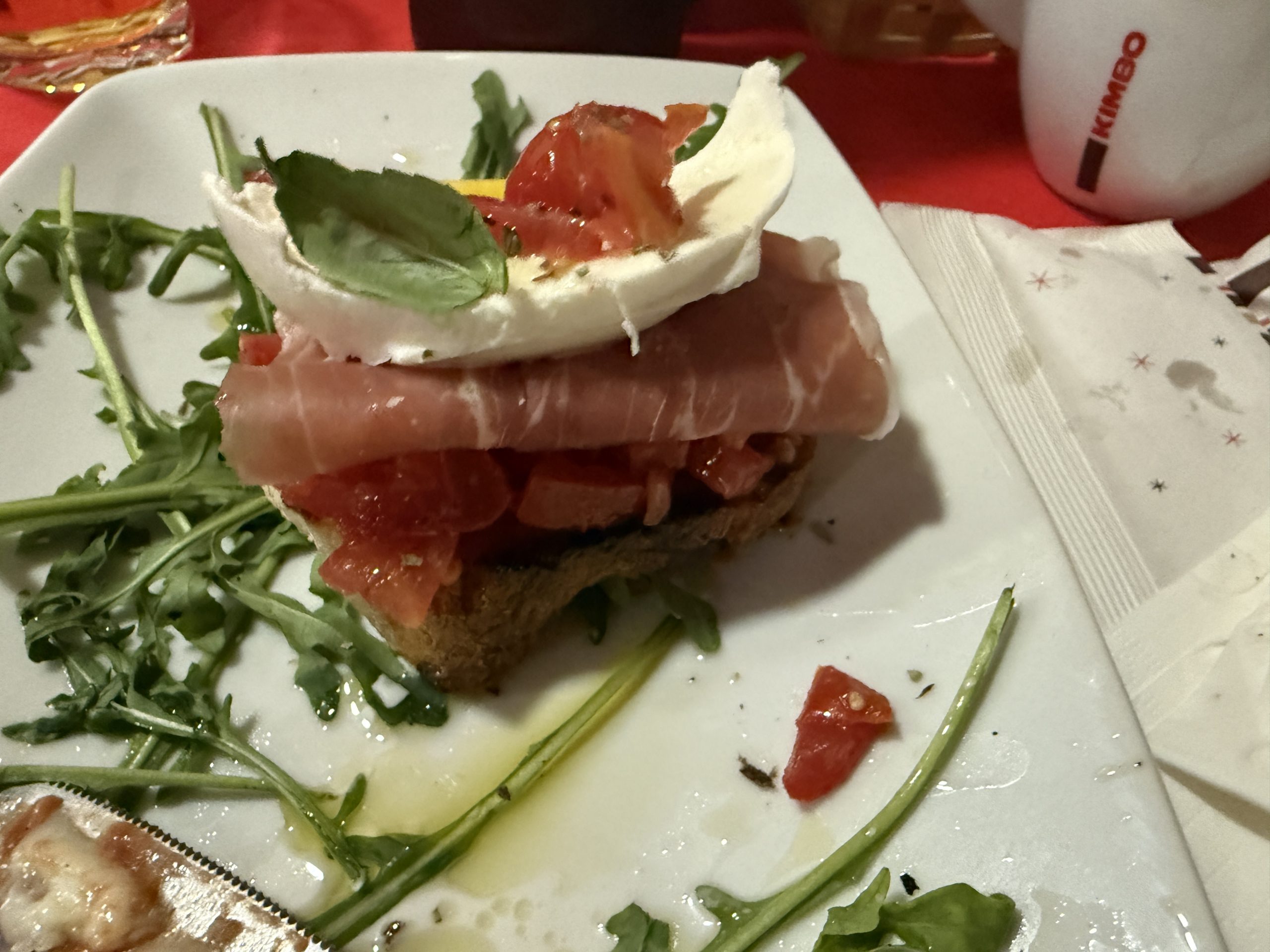
They will bring you food you did not order, bill you extra for water you said you did not want and the food is just lame. If Mount Vesuvius was made of rucola, it would have looked like my appetizer: A plate full of rucola and 3 thin slices of prosciutto somewhere hidden in the greenery, left over pita bread.. and bam! that’s 25 EUR wasted!
You ask for something, they say they have it, and then they don’t and will bring you something else. Just don’t bother leaving your money there.
Thinking of visiting Naples? Go for it!
The city has a rich historical and archaeological heritage, modern shopping and a spectacular setting on a hillside that slopes down to the sea.
Walking on its historical streets was an experience in itself. We would have loved to see more of this city’s underground tunnels, so be sure to check Naploli Sotterranea and Catacombs, which include Greek aqueducts and WWII air raid shelters.
The Naples National Archaeological Museum houses an extensive collection of Roman artifacts, sculptures, and mosaics from Pompeii and Herculaneum. The Capodimonte Museum is a former royal palace that features masterpieces by artists like Caravaggio and Titian.
Ultimately, we found that Naples is for the traveler who seeks an authentic, unfiltered Italian experience filled with vibrant street life, profound history, and unbeatable food. Don’t miss it!